
Astronaut serious medical condition forces Nasa to end space station mission early

A serious medical condition with crew member aboard the international space station has led Nasa to bring astronaut and three crewmates back to Earth months earlier than planned the first emergency return in orbiting laboratory 25 year history senior space agency said.
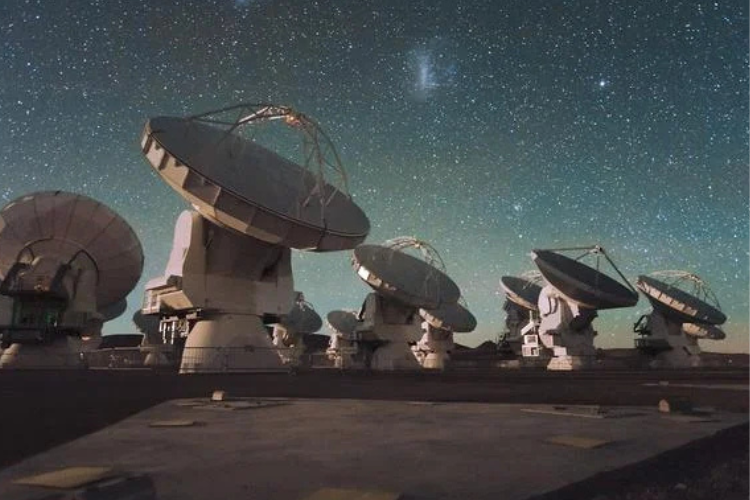
The ALMA Array is completed with 145 New Low Noise Amplifiers

Nasa administrator Jared Isaacman told media on Thursday in short notice press conference in Washington that he and medical official made decision to return astronaut whom he did not identify because the capability to diagnose and treat this property does on live on international space station.

The NASA official did not identify which of Crew 11 mission four astronauts was experiencing the medical problem or describe its nature citing crew member privacy.

This is not emergency evacuation.

This is first early evacuation in history of ISS which has been continously inhabited since year 2000.

The four person team is called Crew 11 and consist of NASA astronauts Zena Cardman and Mike Fincke Kimiya Yui from Japan JAXA space agency and Russian cosmonaut Oleg Platonov.

One American astronaut will remain aboard the ISS official say.

It will be accompanied by Two Russian cosmonauts.

Dr James Polk Nasa chief health and medical officer told media that this was the first time in Nasa over 65 year history that mission would comeback early due to medical problem.
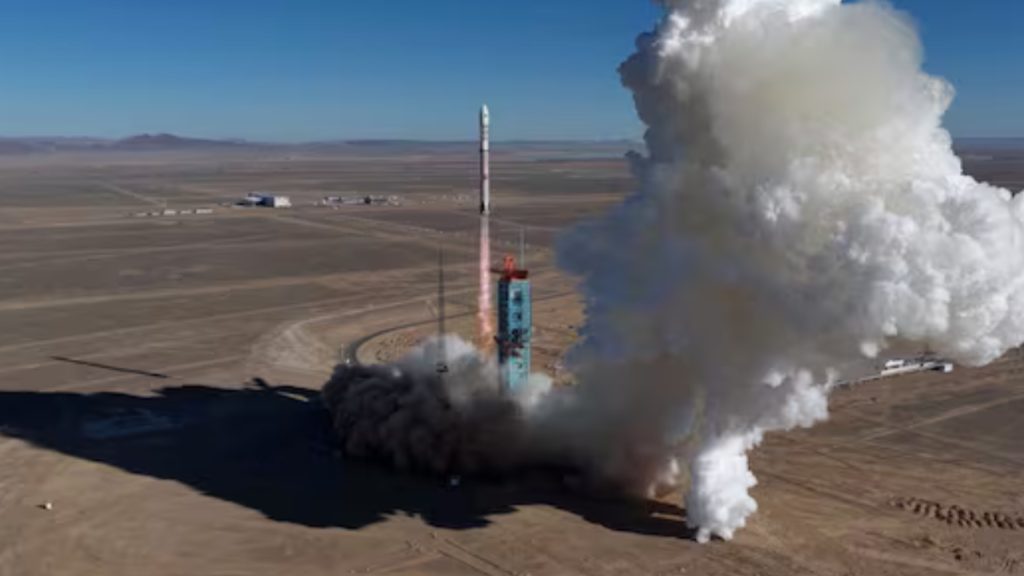
Elon Musk Space X

Space Mission

Crew 11 launched to ISS in August last year on SpaceX Crew Dragon and were expected to remain in orbit for almost six months coming back almost next month after being replace by other four person crew few days earlier.

The ISS has basic medical equipment supplies and system that let doctors on Earth talk privately to astronauts in space assess their condition and treatment much like safe video or phone consultation with general doctors.

Returning the four person crew early could delay some experiments and maintenance goals until new crew arrive next month according to Dr Simeon Barber a space scientist at Open University.

The space station is big complex feat of engineering it is designed to operated by certain minimum level of crew he added.

He said that the remaining crew would probably be forced to dial back on some of experimental work and focus more on housekeeping and keeping station healthy waiting  for full complement of crew to be restored.

Spacewalks are arduous and risky mission that require months of training involving bulky spacesuits and coordinated instruction while tethered to ISS.

An update was expected within 48 hour on timeline of astronauts return the Nasa officials added.
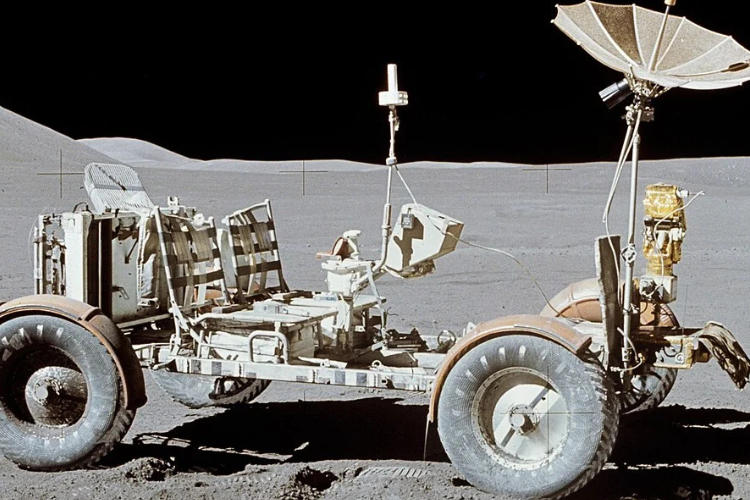
Lunar Rover

Appolo

On Wednesday Nasa cancelled a spacewalk due to take place on Thursday when two astronauts were set to step outside the ISS citing medical worries.

What Happened to Mars’ Water? A latest Study offers a mindblowing answer

An analysis done by the University of Chicago of Mars Science Laboratory Curiosity rover data may added why the planet was probable a harsh desert for most of latest past.

The deep canyons on Mars shaped by ancient rivers showed that planed was once warm enough to help flowing liquid water.

But how did it transform into cold dry desert we see today and what caused this dramatic shift.

A latest study led by Edwin Kit scientist at University of Chicago offers latest explanation for this long standing mystery

Mars

Mars

Due to planet unqiue conditions these warm phases were short lived and Mars reverted to its dry inhospitable state.

Unlike Earth which has remained steadily habitable Mars appear to follow natural pattern that favors deser like condition over time.

The study builds on findings from NASA Mars Science Laboratory Curiosirt mission that were revealed in April the rover ultimately found rocks rich in carbonate mineral which could explain where Mars atmosphere went.

A Martian mystery

The explanation was made possible by Curiosity discovery revealed earlier this year of carbonate rich rocks on Mars surface.

This had been missing piece of puzzle for years the scientists added.

To have had liquid water, Mars had have a thicker atmosphere made up of greenhouse gas like CO2.

There is little atmosphere leaving a puzzle of where the carbon went.

“People have been looking for tomb for atmosphere for years” said Kite.

“It really is somethign you cannot know untile you have rover on surface” said study coauthor Benjamin Tutolo professor at University of Calgary

“The chemistry and mineralogy measurement they provide really are essential in our continuing quest to understand how and why planet stay habitable in order to search for hospitable wolrd out in universe”.

Mars has same makeup as Earth its a rocky planet with plenty of water and carbon near to sun to warmed but not cooked by it and today its a frozen desert while Earth fill with life.

Mars

Mars

For years scientists have searching for reply to why you are reading this from Earth and not Mars.

The mystery deepened when we were able to see river carved valley and old lakebeds on surface of Mars showing planet at some point did have climate that was warm enough for liquid water.

“Mars preserves a trace of that enviromental catastrophe in rocks on its surface” Kite said

“And today we are in golden age of Mars science with two plutonium powered rovers on surface and international fleet of spacecraft in orbit that permit us to deeply explore the planet for these traces”

When it comes to keeping planet balmy and mild is not enough to begin out that method there need to mechanism for stability over time that can reply to changes on and around the planet.

Scientist think Earth does this throug finely balance system that moves carbon from sky to rock and back again.

CO2 in atmosphere warms the planet but warmer temperature speed up reactions that lock up carbon dioxide into rock which finally counteracts the temperature rise.

Finally carbon leaks back out into atmosphere via volcanice eruptions.

Over million of years this cycle seems to have kept Earth stable and hospitable for life.

On Mars researchers said a similar cycle could take place but self limiting one.

It hinges on fact that our sun brightness rises very slowly over time about 8 percent per billion years.

As the sun brightens the scientist hypothesize liquid water starts running on Mars. But this water starts causing co2 to get lockied into rocks as it does on Earth which swings the planet back to cold and barren desert.

“In contrast to Earth where there are some volcanoes erupting. Mars right now is dormant and average rate of volcanic outglassing on Mars is slow

Kite said

“So in that situation you really have balance between carbon dioxide in and carbon dioxide out because if you have little bit of liquid water you are going to draw down carbon dioxide through carbonate formation”

Mars

Mars

The group buil models showing how these swings could occur.

They said that Mars experience short periods of liquid water followed by 100 million year long periods of desert.

Needless to added a 100  million year long gap in habitability is worse for life.