
Oil Prices Surge as Iran Conflict Escalates, Stocks Slide on Strait of Hormuz Fears

Global energy markets were jolted on Monday as oil prices spiked and stock markets fell sharply following intensified military exchanges between Iran, the United States, and Israel.

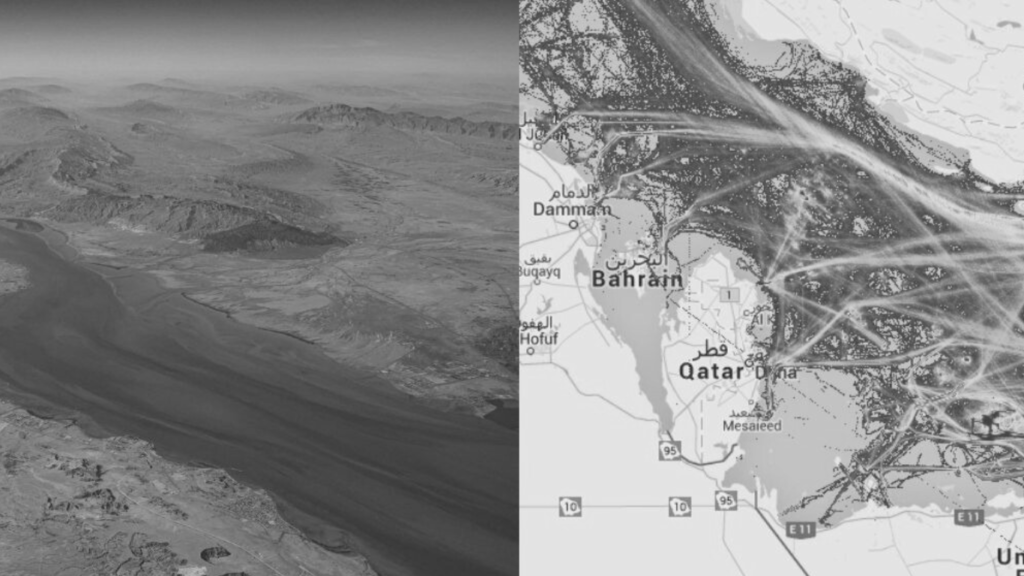
The immediate trigger: escalating threats to close the strategically critical Strait of Hormuz, a maritime chokepoint through which roughly 20% of the world’s oil and gas supplies transit daily.
International Business

Iran

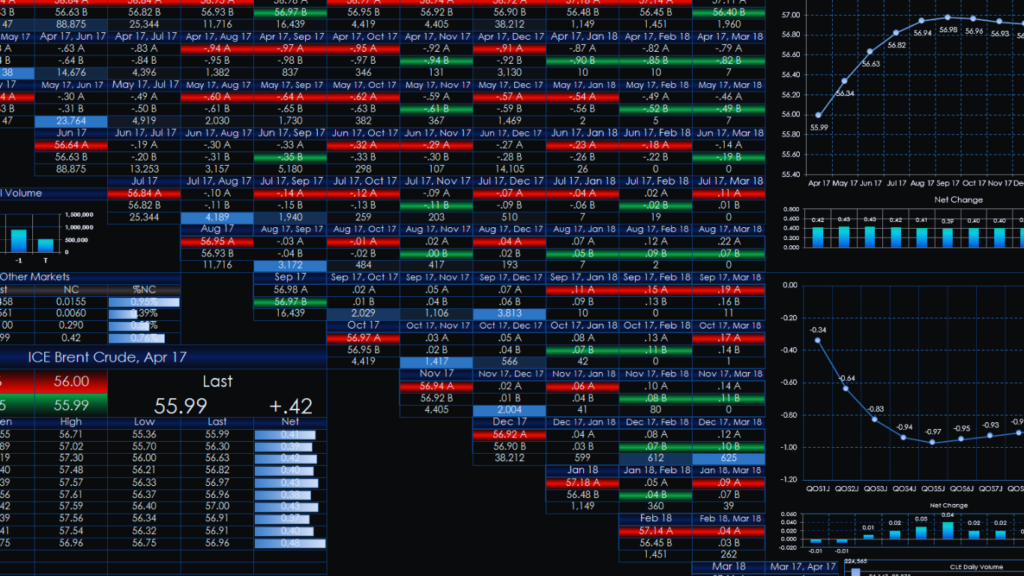
Brent Crude Jumps 10% as Tankers Come Under Attack

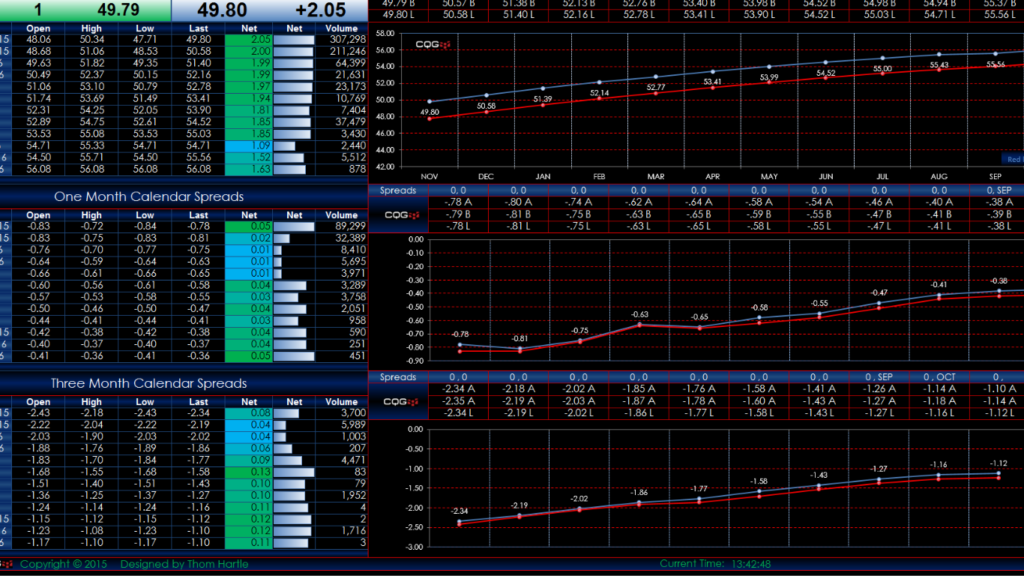
Benchmark Brent crude surged nearly 10%, briefly climbing above $82 per barrel before retreating toward $79. Meanwhile, US-traded crude rose 7.6% to $72.20.

Natural gas prices experienced even sharper volatility, climbing as much as 25% amid concerns of supply disruptions across the Gulf.

The market reaction followed reports that:

  • At least three vessels were attacked near the Strait of Hormuz.

  • Two ships were confirmed struck, according to the UK Maritime Trade Operations Centre.

  • An “unknown projectile” detonated close to a third vessel.

  • Over 150 tankers dropped anchor in Gulf waters rather than risk passage.

Iran warned commercial vessels against transiting the waterway, effectively freezing traffic at the entrance to the Gulf.

Iran US War

UAE

Global Stock Markets Fall on Inflation Fears

Equity markets reacted negatively as investors assessed the inflationary implications of sustained energy price increases.

In London, the FTSE 100 fell 1%, with airline and banking stocks among the hardest hit. Parent company of British Airways saw notable losses amid Middle East airspace disruptions.

Banks including Barclays, Standard Chartered, and HSBC declined as investors priced in the risk of fewer central bank rate cuts.

Across Europe:

  • The CAC 40 dropped 1.8%.

  • Germany’s DAX slid 2.1%.

Investors rotated into safe-haven assets, sending gold prices 2% higher to $5,388 per ounce.

Why the Strait of Hormuz Matters

The Strait of Hormuz is a narrow maritime corridor between Iran and Oman, serving as the primary exit route for oil exports from:

  • Saudi Arabia

  • Iraq

  • UAE

  • Kuwait

  • Qatar

If blocked or significantly disrupted:

  • Oil supply would contract immediately.

  • Insurance premiums for tankers would skyrocket.

  • Global freight rates would surge.

  • Inflation would accelerate across fuel, food, and industrial commodities.

Shipping giant Maersk has already paused sailings through the Bab el-Mandeb Strait and the Suez Canal, rerouting vessels around the Cape of Good Hope — a significantly longer and more expensive route.

Could Oil Hit $100?

Energy analysts remain cautious but not yet alarmist.

Saul Kavonic of MST Marquee stated the market is not in panic mode, noting that oil production infrastructure has not been directly targeted so far.

However, if:

  • The Strait remains effectively closed,

  • Shipping insurers refuse Gulf coverage,

  • Or the conflict broadens regionally,

Oil prices could exceed $100 per barrel — levels not seen since earlier geopolitical shocks.

Dubai-based consultant Robin Mills of Qamar Energy emphasized that current prices remain below peak levels from two years ago, suggesting the market has not yet entered full crisis conditions.

Inflation and Interest Rates at Risk

Higher oil prices have direct and second-order macroeconomic effects:

  1. Immediate rise in petrol and diesel costs.

  2. Higher transportation expenses.

  3. Increased agricultural and food prices.

  4. Elevated manufacturing input costs.

Subitha Subramaniam of Sarasin & Partners warned that prolonged high oil prices would “bleed into inflation.”

The Bank of England, which recently cut interest rates to 3.75% amid cooling inflation, may now pause further reductions.

Energy-driven inflation could complicate monetary policy decisions not only in the UK but also in the US and eurozone.
US Stock IndeX

International Business

OPEC+ Attempts to Stabilize Supply

The OPEC+ group agreed Sunday to increase output by 206,000 barrels per day in an effort to cushion price pressures.

However, analysts question whether this increment is sufficient if Hormuz traffic remains restricted.

Given that daily global oil consumption exceeds 100 million barrels, the announced increase represents a relatively modest buffer.

What Happens Next?

Three key indicators will determine market direction:

  • Whether US naval forces secure shipping lanes.

  • Whether Iranian missile strikes continue.

  • Whether insurers resume normal coverage for Gulf transit.

If tanker movement resumes smoothly, oil prices may retreat quickly. If not, markets could face sustained volatility across energy, equities, and currency markets.
Iran

Iran Israel War

Conclusion

The Strait of Hormuz has once again become the fulcrum of global energy security. While markets are not yet in crisis mode, the risk premium embedded in oil prices reflects genuine concerns over supply disruption.

Should shipping routes normalize, prices could stabilize below $80. But if the conflict broadens or chokepoints remain restricted, the global economy could face renewed inflationary pressures — potentially reversing the progress central banks have made over the past year.

FAQ

Why did oil prices jump?
Because attacks near the Strait of Hormuz raised fears of supply disruption affecting 20% of global oil trade.

Could petrol prices rise soon?
Yes. Retail fuel prices often respond within days to sharp increases in crude oil benchmarks.

Is this an oil crisis?
Not yet. Production infrastructure remains largely intact, and prices remain below previous geopolitical peaks.

What happens if the Strait of Hormuz closes?
Oil could exceed $100 per barrel, shipping costs would surge, and global inflation would likely accelerate.

Are stock markets likely to recover?
That depends on how quickly maritime traffic resumes and whether the conflict escalates further.

DeepSeek’s Ascent: A Revolution in the AI Field

cR1 AI Model: Innovation at an Affordable Price

An impressive accomplishment, DeepSeek’s R1 AI model provides sophisticated AI capabilities for a tenth of the price of its American competitors.

In addition to attracting attention, this cost-effective strategy has caused a significant selloff in tech equities, which has primarily affected firms like Nvidia. Some of the richest people in the world have suffered significant losses as a result of the change in investor attitude.

Stock Market Response: A Warning Story

Investors are feeling uneasy as a result of the release of this effective and reasonably priced AI model.

Even though businesses like Nvidia once profited from the AI boom, their stock values are currently dropping significantly. China is becoming a more powerful player in the AI race, which is turning into a worldwide contest.

Assessing the Ascendancy of AI in China

The fact that DeepSeek was able to create its AI model without using the priciest computer hardware begs significant issues regarding American dominance in AI technology going forward.

The company’s ongoing innovation demonstrates China’s growing sway over the global AI sector.

Views from Professionals in the Field

Some analysts, such as Stacy Rasgon of Bernstein, contend that the market response may be exaggerated amid the chaos.

According to Rasgon, the true scope of DeepSeek’s development expenses may not yet be known, and the model’s apparent cost-effectiveness may be deceptive. This viewpoint encourages a more thoughtful conversation regarding the ramifications of DeepSeek’s ascent.

The Global Tech Landscape in 2025 Is Challenged by DeepSeek’s Disruptive AI Model

Introduction: DeepSeek’s Ascent

The field of artificial intelligence (AI) is going through a dramatic change. DeepSeek, a little-known Chinese startup, is upending the global IT sector by launching an AI model that directly challenges well-known behemoths like Google and OpenAI.

The idea that the only methods to succeed in AI are to have access to advanced chips and a lot of resources could be challenged by DeepSeek’s discovery.

The Danger to American Dominance in AI

The idea that only well-funded American businesses can spearhead the AI arms race has been called into question by DeepSeek’s meteoric growth. DeepSeek has developed a potent AI model,

R1, using a fraction of the resources usually needed for such an accomplishment, despite prohibitions on AI exports.

Key Insights on DeepSeek’s Impact Breaking the AI Arms Race: DeepSeek’s ability to rival GPT-4 and Google’s Gemini with fewer high-end chips challenges the notion that the U.S. has a clear lead in AI. Innovation Over Restrictions:

While the U.S. has imposed tight restrictions on China’s access to high-end computer chips, DeepSeek’s success suggests that these efforts may have inadvertently accelerated China’s AI capabilities.

Trump and Biden’s AI Policies Are Under Investigation

After DeepSeek’s success, the U.S. government’s efforts to restrict China’s AI development have come under investigation.

Export restrictions that were intended to stop China from obtaining the chips required to train AI models might have inadvertently encouraged Chinese innovation.

According to experts, these restrictions have forced Chinese companies to come up with creative ways to get past them.

AI Export Regulations: A Two-Sided Sword

China’s Increasing Innovation: Contrary to the original goal, the limits may have encouraged innovation among Chinese enterprises, hence accelerating their AI development.

Fears of Backfiring: According to some analysts, China’s AI technology and competitiveness on the international scene could have been enhanced by stringent export regulations.

Challenges to the US Approach: Do We Need Tougher Policies?

Analysts such as UCLA’s John Villasenor contend that in order to prevent China from acquiring chips illegally or storing them in reserves, the United States has to implement even more stringent export regulations.

DeepSeek’s Approach: Creativity Despite Obstacles

The R1 model from DeepSeek defies accepted AI conventions by drastically reducing expenses and resource requirements.

Reports indicate that DeepSeek has trained its AI with fewer resources, utilizing alternative approaches and gaining access to hard-to-get chips.

Possible Factors Contributing to DeepSeek’s Achievements:

Restricted Chip Access There are rumours that DeepSeek may have obtained expensive Nvidia chips through black markets or prior to limits, which cast doubt on the actual scope of its innovation.

The active underground market for computer chips, which allows Chinese businesses to evade US sanctions and keep developing their AI models, is a source of increasing concern.

What Will Happen to the AI Arms Race Next?

There are no indications that the growing rivalry between the United States and China over AI development will abate.

The crucial question that emerges as DeepSeek continues to make headlines is whether Chinese entrepreneurs will upend the current quo or if American businesses can hold their dominance.

Experts suggest that the current trend may signal the beginning of a more competitive, cost-effective global AI landscape.

Important Takeaways

AI Export Limitations Might Not Be Sufficient: Chinese businesses like DeepSeek are creating cutting-edge AI models in defiance of export restrictions, raising doubts about the efficacy of US regulations.

China’s Innovation Surge: DeepSeek’s success highlights the incredible potential for innovation within China’s AI sector, even amid severe technological restrictions.
The Future of AI Development: As the race intensifies, both China and the U.S. are likely to ramp up efforts to gain supremacy in AI, leading to faster technological advancements and heightened competition.

The American Tech Giants’ Prospects

Now, the main concern is how American tech firms would react to DeepSeek’s growing competition.

Will well-known companies like Nvidia and OpenAI change their tactics to compete with DeepSeek’s reasonably priced and powerful products?

The next few months will have a significant impact on how the AI sector develops.

The Groundbreaking AI Technology of DeepSeek Presents a Serious Threat to Meta
Introduction: A New Rival Is Born

Meta is encountering a formidable challenge from DeepSeek, a Chinese AI startup that has quickly gained recognition for its groundbreaking AI model, R1.

This innovative AI chatbot claims to match the performance of established models like ChatGPT, but at a significantly reduced operational cost, disrupting the competitive landscape for AI companies.

Meta’s Reaction to the Danger of DeepSeek

Given this possible danger, Meta has set up a number of “war rooms” with engineers tasked with figuring out how DeepSeek was able to achieve such remarkable cost-efficiency.

These groups are looking into the tactics used by High-Flyer Capital Management, the parent firm of DeepSeek, to minimise operating and training costs while maintaining strong performance.

Reports indicate that Meta’s engineers are actively working to integrate these insights into their own AI development efforts, especially for the forthcoming Llama 4 model

Significant AI Investment

Meta’s quick reaction shows how severe the issue is. With plans to create a new data centre and increase its pool of AI talent, the corporation has invested an astounding $65 billion to AI.

As businesses look to solidify their place in this quickly changing market, this aggressive approach highlights the growing importance of AI in the tech sector.

Industry Acknowledgement and Consequences

Prominent tech executives like Marc Andreessen and Satya Nadella have already taken notice of DeepSeek’s novel strategy and see it as a possible game-changer in the AI space.

DeepSeek is positioned to upend the existing quo and seriously challenge well-established firms like Meta and OpenAI with its distinctive blend of cost-effectiveness and state-of-the-art technology.

Important Takeaways:

Cost-Efficiency: At a fraction of the price, DeepSeek’s R1 model successfully competes with well-known AI models.

Meta’s Strategy: In order to combat the new threat, Meta is acting quickly and allocating a large amount of resources.

Industry Dynamics: As new players challenge the dominance of long-standing tech titans, the competitive landscape is changing.


Implications for the Development of AI Worldwide

There are significant ramifications for the global tech scene from DeepSeek’s rise. If the company continues to disrupt the market with its innovative AI models, it could significantly alter the status quo of U.S.-led AI innovation.

Conclusion: A Watershed in the Development of AI

It is unclear if American businesses will be able to maintain their competitive advantage as we move through this new phase of AI development or if China’s expanding capabilities will completely transform the sector.

The dynamics that are developing will be crucial in defining how AI develops in the future and how it affects the world economy.

DeepSeek’s rise marks a pivotal moment in the AI industry, revealing that innovation and success in AI may not solely depend on resources or chip access. As the U.S. and China engage in this technological battle, the coming years are poised to witness more breakthroughs, regulatory challenges, and fierce competition for global AI leadership.

As the AI industry becomes more competitive, businesses like Meta need to change fast to remain relevant.

The emergence of DeepSeek marks a turning point in the advancement of artificial intelligence as well as the possibility for creativity outside of the established powerhouses.