
Remote Work and Office Closures: How Big Tech Is Responding to the Middle East Conflict

As tensions escalate in the Middle East following the US–Israel conflict with Iran, global technology companies are activating emergency response plans, shifting to remote work, and reassessing billion-dollar investments across the region.

Major firms including Amazon, Google, Snap, and AI chip leader Nvidia are implementing safety protocols as drone strikes and retaliatory attacks disrupt operations in key Gulf markets.

The crisis has raised urgent questions about employee safety, cloud infrastructure resilience, AI chip supply chains, and the long-term future of tech investment in the Middle East.
Amazon

United States


Why Tech Companies Are Shifting to Remote Work in the Middle East

Since hostilities intensified, multinational corporations with regional offices have adopted precautionary measures, including:

  • Mandatory remote work policies

  • Temporary office closures

  • Suspension of select operations

  • Enhanced security and crisis monitoring

Amazon confirmed it is reviewing operations across corporate offices, fulfilment centres, delivery stations, and logistics hubs. Employees in affected areas have been instructed to work remotely where necessary.

Snap has advised staff to follow local government and embassy guidance, including shelter-in-place instructions. Google has activated internal security protocols and remains in direct contact with teams across the region.

For all companies involved, employee safety is the immediate priority.


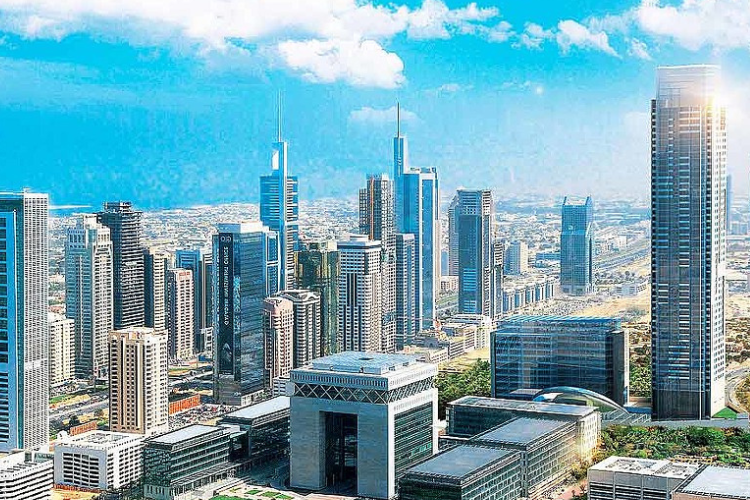
Drone Strikes and Data Centre Concerns

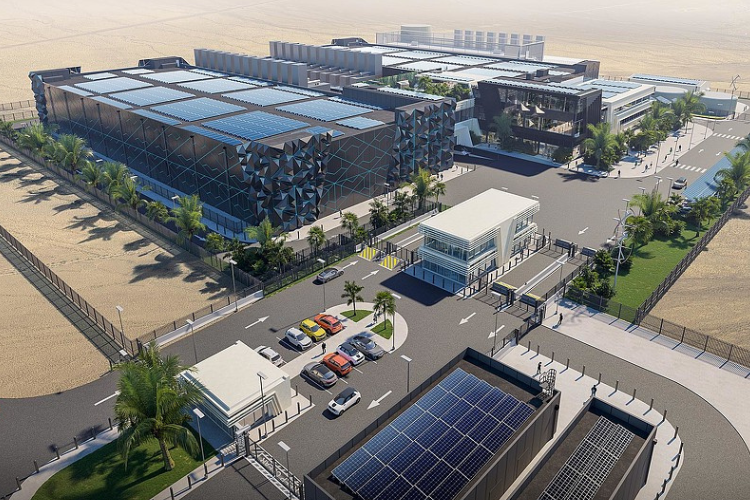
The situation escalated after drones reportedly struck facilities operated by Amazon Web Services (AWS) in the United Arab Emirates and Bahrain.

AWS acknowledged that objects hit a UAE data centre, causing sparks and fire. It also reported investigating connectivity and power disruptions at a Bahrain site.

While services have not experienced widespread outages, the incidents have intensified concerns over cloud infrastructure security in geopolitically sensitive regions.

Meanwhile, debris from aerial interceptions sparked a fire at Dubai’s Jebel Ali Port, although port authorities later confirmed operations continued.

These developments highlight how physical conflict can directly threaten digital infrastructure.
Amazon

SnapChat


Is Nvidia Facing AI Chip Supply Chain Disruptions?

Nvidia, a dominant supplier of AI chips powering global data centres, stated it is not currently experiencing supply chain disruptions.

The company confirmed it is “managing supply chain operations to address changing conditions” while closely monitoring regional developments.

Given Nvidia’s critical role in artificial intelligence infrastructure, any prolonged disruption could impact global AI deployment, hyperscale cloud providers, and enterprise computing projects.

At present, however, semiconductor production and distribution remain stable.


Billions in Middle East Tech Investments at Risk

Over the past decade, Gulf nations have become strategic technology hubs, attracting billions in investment through:

  • Sovereign wealth fund partnerships

  • Hyperscale cloud data centres

  • AI and smart city initiatives

  • Fintech and digital transformation programs

Industry analysts note that while companies may temporarily pause new investments, a full withdrawal from the region is unlikely. The Middle East remains strategically important due to its capital reserves, energy resources, and rapid digital growth.

The key variable now is regional stability.


Could the Conflict Trigger Global Tech Shortages?

So far, there is no evidence of widespread technology shortages. However, prolonged instability could indirectly affect:

  • Cloud service uptime

  • Energy costs impacting chip manufacturing

  • Logistics routes through Gulf shipping lanes

  • Insurance and operational costs

Because the Middle East plays a central role in global energy markets, rising oil prices could increase operational expenses for energy-intensive industries like semiconductor fabrication and data centre management.

For now, companies are maintaining a cautious but operational stance.


How Remote Work Is Protecting Business Continuity

One major lesson from the pandemic era is operational flexibility. Tech firms have retained hybrid and remote capabilities that allow them to pivot quickly during crises.

The rapid transition back to remote work across parts of the Middle East demonstrates how distributed workforce models now function as built-in crisis management tools.

Business continuity planning has become as important as cybersecurity in corporate risk frameworks.


Conclusion: Stability Is the Key Variable for Global Tech

The Middle East remains a strategically vital market for global technology firms. Despite rising geopolitical tensions, companies are not signaling mass exits. Instead, they are prioritizing workforce safety, infrastructure resilience, and supply chain stability.

If the conflict de-escalates quickly, disruptions may remain temporary. However, prolonged instability could reshape global infrastructure planning, accelerate supply chain diversification, and prompt reassessment of regional risk exposure.

For now, Big Tech is balancing caution with continuity — closing offices where necessary, shifting to remote work, and safeguarding the digital backbone of the modern economy.


Frequently Asked Questions (FAQ)

Why are tech companies closing offices in the Middle East?

Tech companies are implementing temporary closures and remote work policies due to security concerns stemming from escalating military tensions, including drone strikes affecting infrastructure in parts of the Gulf region.

Amazon

SnapChat


Has Amazon Web Services (AWS) been damaged?

AWS confirmed that objects struck one of its data centres in the UAE, causing sparks and fire. It also investigated connectivity issues in Bahrain. However, no major global service outages have been reported.


Is Nvidia facing chip shortages because of the conflict?

Nvidia has stated it is not currently experiencing supply chain disruptions. The company is actively monitoring conditions but reports stable operations.


Could the Middle East conflict cause global tech shortages?

At present, there are no widespread shortages. However, extended instability could impact energy prices, logistics routes, and operational costs for data centres and chip manufacturers.


Are tech companies pulling out of the Middle East?

There is no indication of a mass withdrawal. While companies may pause new investments temporarily, the region remains strategically important for long-term digital growth and AI expansion.

Amazon

SnapChat


How long will remote work policies remain in place?

Remote work policies are currently precautionary and will likely remain in effect until regional security conditions stabilize.


Amazon Confirms 16000 Jobs reduction after accidental email

USA tech giant Amazon has said it will reduce 16000 jobs hours after it told staff about latest round of worldwide redundancies in email sent in error.

The email which seen by media was sent late on Tuesday and refers to  swathe of employees in US Canada and Costa Rica having been laid off part of attempt to strengthen the company.

The message was apparent shared by mistake as it was quick cancelled.

Amazon announced job reduction as part of plan to remove bureaucracy at firm.

Amazon founder Jeff Bezos stood down as it chief executive four years before his successor Andy Jassy has led company through several round of cuts jassy has attempted to bring strict work culture of firm.

France

France

In office work is now mandatory five days week making Amazon one of major tech companies to require its employees to be in office full time.

Amazon is stressed on reducing costs even monitoring corporate mobile phone use by AWS employee according to report in Business Insider attempt limit long standing $50 per month reimbursement.

In email Jassy sent to employees before Thanksgiving holiday viewed by BBC the CEO said he was thankful for challenges at opportunities at work as the word is changing at very rapid rate.

Jasey called this era at Amazon is a time to rethink everything we have ever done


The company announced it would close its roughly no remaining Amazon branded grocery stores.

Beth Galetti senior vice president of people experience and technology at Amazon said on Wednesday it was not planning to make broad reductions every few months referring to Amazon announcement of 14000 corporate job cuts in October.

Chikatilo

Cheekatilo

While many teams finalized their organizational changes in October other teams did not complete that work until now

Amazon employs 15 lacs people worldwide with 350000 in corporate roles.

Amazon has not said where the latest job losses will fall or which countries will be affected.


On Tuesday a draft email written by Colleen Aubrey a senior Vice President at Amazon Web Services was consist in calendar institution sent by executive assitant to number of Amazon workers.


What Happened to Mars’ Water? A latest Study offers a mindblowing answer

An analysis done by the University of Chicago of Mars Science Laboratory Curiosity rover data may added why the planet was probable a harsh desert for most of latest past.

The deep canyons on Mars shaped by ancient rivers showed that planed was once warm enough to help flowing liquid water.

But how did it transform into cold dry desert we see today and what caused this dramatic shift.

A latest study led by Edwin Kit scientist at University of Chicago offers latest explanation for this long standing mystery

Mars

Mars

Due to planet unqiue conditions these warm phases were short lived and Mars reverted to its dry inhospitable state.

Unlike Earth which has remained steadily habitable Mars appear to follow natural pattern that favors deser like condition over time.

The study builds on findings from NASA Mars Science Laboratory Curiosirt mission that were revealed in April the rover ultimately found rocks rich in carbonate mineral which could explain where Mars atmosphere went.

A Martian mystery

The explanation was made possible by Curiosity discovery revealed earlier this year of carbonate rich rocks on Mars surface.

This had been missing piece of puzzle for years the scientists added.

To have had liquid water, Mars had have a thicker atmosphere made up of greenhouse gas like CO2.

There is little atmosphere leaving a puzzle of where the carbon went.

“People have been looking for tomb for atmosphere for years” said Kite.

“It really is somethign you cannot know untile you have rover on surface” said study coauthor Benjamin Tutolo professor at University of Calgary

“The chemistry and mineralogy measurement they provide really are essential in our continuing quest to understand how and why planet stay habitable in order to search for hospitable wolrd out in universe”.

Mars has same makeup as Earth its a rocky planet with plenty of water and carbon near to sun to warmed but not cooked by it and today its a frozen desert while Earth fill with life.

Mars

Mars

For years scientists have searching for reply to why you are reading this from Earth and not Mars.

The mystery deepened when we were able to see river carved valley and old lakebeds on surface of Mars showing planet at some point did have climate that was warm enough for liquid water.

“Mars preserves a trace of that enviromental catastrophe in rocks on its surface” Kite said

“And today we are in golden age of Mars science with two plutonium powered rovers on surface and international fleet of spacecraft in orbit that permit us to deeply explore the planet for these traces”

When it comes to keeping planet balmy and mild is not enough to begin out that method there need to mechanism for stability over time that can reply to changes on and around the planet.

Scientist think Earth does this throug finely balance system that moves carbon from sky to rock and back again.

CO2 in atmosphere warms the planet but warmer temperature speed up reactions that lock up carbon dioxide into rock which finally counteracts the temperature rise.

Finally carbon leaks back out into atmosphere via volcanice eruptions.

Over million of years this cycle seems to have kept Earth stable and hospitable for life.

On Mars researchers said a similar cycle could take place but self limiting one.

It hinges on fact that our sun brightness rises very slowly over time about 8 percent per billion years.

As the sun brightens the scientist hypothesize liquid water starts running on Mars. But this water starts causing co2 to get lockied into rocks as it does on Earth which swings the planet back to cold and barren desert.

“In contrast to Earth where there are some volcanoes erupting. Mars right now is dormant and average rate of volcanic outglassing on Mars is slow

Kite said

“So in that situation you really have balance between carbon dioxide in and carbon dioxide out because if you have little bit of liquid water you are going to draw down carbon dioxide through carbonate formation”

Mars

Mars

The group buil models showing how these swings could occur.

They said that Mars experience short periods of liquid water followed by 100 million year long periods of desert.

Needless to added a 100  million year long gap in habitability is worse for life.