Dhurandhar 2 Paid Premieres and Ticket Price Hike: Will Telugu States See Higher Prices Too?

The highly anticipated action sequel Dhurandhar 2 is building massive buzz as its trailer release approaches. Producers Jio Studios have officially confirmed that the film will arrive with paid premieres starting March 18 at 5 PM, a strategy aimed at maximizing opening-day revenue and fan engagement.

Parasakthi ott release date

Parasakthi ott release date

However, the release plan has sparked discussions across the industry due to potential ticket price hikes and early premiere shows, particularly in the Telugu market where competition with Ustaad Bhagath Singh is heating up.

Paid Premieres Planned for March 18

The makers of Dhurandhar 2 are reportedly planning paid premieres beginning at 5 PM on March 18, several hours ahead of regular screenings. Meanwhile, Ustaad Bhagath Singh is expected to schedule its premieres around 10 PM on the same day, setting up a direct box-office clash on opening night.

This timing means Dhurandhar 2 could gain a significant early advantage, allowing it to capture audiences before competing shows begin.

Why Ticket Prices May Increase

One major factor influencing pricing decisions is the film’s extraordinary runtime of around 3 hours and 40 minutes.

Such a lengthy duration reduces the number of screenings theatres can schedule per day, particularly in multiplex chains. To compensate for fewer daily shows, distributors are considering ticket price hikes of up to 25% in several regions where dynamic pricing is already allowed.

This pricing model is common in many Indian states where theatres can adjust ticket rates based on demand, show timing, and film scale.

Uncertainty Over Price Hikes in Telugu States

While ticket hikes may be straightforward in many parts of India, Telangana presents regulatory challenges.

To increase ticket prices or conduct special premieres, filmmakers usually need approval from the state government. According to industry sources, Dhurandhar 2 producers are still debating whether to:

  • Implement price hikes nationwide, including Telugu versions

  • Restrict hikes only to multiplex theatres

  • Apply premium pricing only for premiere shows

The final decision may depend on government permissions and how competing releases structure their pricing.

Competition With Ustaad Bhagath Singh

The box-office battle with Ustaad Bhagath Singh adds another layer of complexity.

If Ustaad Bhagath Singh secures approval for special premieres and increased ticket prices, the Dhurandhar 2 team may follow suit.

However, if Dhurandhar 2 runs premieres without ticket hikes, it could attract larger crowds looking for cheaper early shows, potentially hurting the competing film’s collections.

Conversely, if both movies raise prices, audiences—especially mass-market viewers—may lean toward the local star-driven Telugu film.

Industry Watching Closely

Trade analysts believe the situation could significantly influence opening-day box office collections in Telugu states. Pricing strategies, premiere timing, and regulatory permissions will all play a key role in determining which film gains the upper hand.

For now, fans are eagerly waiting for the official trailer release and confirmation of premiere pricing, which could reveal the final distribution strategy.

mrunal thankur age

dhanush wife

Conclusion

Dhurandhar 2 is shaping up to be one of the most talked-about releases of the month. With early paid premieres, a lengthy runtime, and potential ticket price hikes, the film’s release strategy is already sparking debate within the industry.

The final decision on pricing in Telugu states—especially Telangana—could determine whether Dhurandhar 2 enjoys a smooth opening or faces stiff competition from Ustaad Bhagath Singh. Either way, the March 18 premiere night is likely to be a major moment for Indian box-office watchers.

FAQs

When will Dhurandhar 2 premieres start?

Paid premiere shows for Dhurandhar 2 are expected to begin on March 18 at 5 PM.

Why are ticket prices expected to increase?

The film’s 3-hour-40-minute runtime limits the number of shows per day, prompting distributors to consider higher ticket prices to compensate.

Will ticket prices increase in Telugu states?

It is still uncertain. Price hikes in Telangana require government approval, so the producers are evaluating their options.

How does Ustaad Bhagath Singh affect the release strategy?

Since Ustaad Bhagath Singh plans premieres later the same night, both films may compete directly, influencing pricing decisions and show timings.

Who is producing Dhurandhar 2?

The film is produced by Jio Studios, which is also handling its Telugu release.

Remote Work and Office Closures: How Big Tech Is Responding to the Middle East Conflict

As tensions escalate in the Middle East following the US–Israel conflict with Iran, global technology companies are activating emergency response plans, shifting to remote work, and reassessing billion-dollar investments across the region.

Major firms including Amazon, Google, Snap, and AI chip leader Nvidia are implementing safety protocols as drone strikes and retaliatory attacks disrupt operations in key Gulf markets.

The crisis has raised urgent questions about employee safety, cloud infrastructure resilience, AI chip supply chains, and the long-term future of tech investment in the Middle East.

Amazon

United States


Why Tech Companies Are Shifting to Remote Work in the Middle East

Since hostilities intensified, multinational corporations with regional offices have adopted precautionary measures, including:

  • Mandatory remote work policies

  • Temporary office closures

  • Suspension of select operations

  • Enhanced security and crisis monitoring

Amazon confirmed it is reviewing operations across corporate offices, fulfilment centres, delivery stations, and logistics hubs. Employees in affected areas have been instructed to work remotely where necessary.

Snap has advised staff to follow local government and embassy guidance, including shelter-in-place instructions. Google has activated internal security protocols and remains in direct contact with teams across the region.

For all companies involved, employee safety is the immediate priority.


Drone Strikes and Data Centre Concerns

The situation escalated after drones reportedly struck facilities operated by Amazon Web Services (AWS) in the United Arab Emirates and Bahrain.

AWS acknowledged that objects hit a UAE data centre, causing sparks and fire. It also reported investigating connectivity and power disruptions at a Bahrain site.

While services have not experienced widespread outages, the incidents have intensified concerns over cloud infrastructure security in geopolitically sensitive regions.

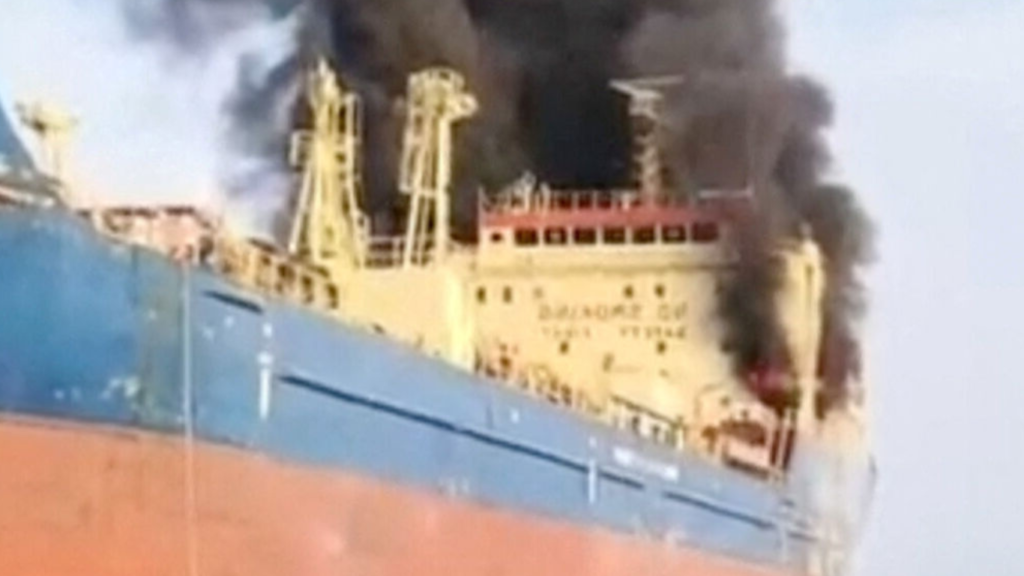
Meanwhile, debris from aerial interceptions sparked a fire at Dubai’s Jebel Ali Port, although port authorities later confirmed operations continued.

These developments highlight how physical conflict can directly threaten digital infrastructure.

Amazon

SnapChat


Is Nvidia Facing AI Chip Supply Chain Disruptions?

Nvidia, a dominant supplier of AI chips powering global data centres, stated it is not currently experiencing supply chain disruptions.

The company confirmed it is “managing supply chain operations to address changing conditions” while closely monitoring regional developments.

Given Nvidia’s critical role in artificial intelligence infrastructure, any prolonged disruption could impact global AI deployment, hyperscale cloud providers, and enterprise computing projects.

At present, however, semiconductor production and distribution remain stable.


Billions in Middle East Tech Investments at Risk

Over the past decade, Gulf nations have become strategic technology hubs, attracting billions in investment through:

  • Sovereign wealth fund partnerships

  • Hyperscale cloud data centres

  • AI and smart city initiatives

  • Fintech and digital transformation programs

Industry analysts note that while companies may temporarily pause new investments, a full withdrawal from the region is unlikely. The Middle East remains strategically important due to its capital reserves, energy resources, and rapid digital growth.

The key variable now is regional stability.


Could the Conflict Trigger Global Tech Shortages?

So far, there is no evidence of widespread technology shortages. However, prolonged instability could indirectly affect:

  • Cloud service uptime

  • Energy costs impacting chip manufacturing

  • Logistics routes through Gulf shipping lanes

  • Insurance and operational costs

Because the Middle East plays a central role in global energy markets, rising oil prices could increase operational expenses for energy-intensive industries like semiconductor fabrication and data centre management.

For now, companies are maintaining a cautious but operational stance.


How Remote Work Is Protecting Business Continuity

One major lesson from the pandemic era is operational flexibility. Tech firms have retained hybrid and remote capabilities that allow them to pivot quickly during crises.

The rapid transition back to remote work across parts of the Middle East demonstrates how distributed workforce models now function as built-in crisis management tools.

Business continuity planning has become as important as cybersecurity in corporate risk frameworks.


Conclusion: Stability Is the Key Variable for Global Tech

The Middle East remains a strategically vital market for global technology firms. Despite rising geopolitical tensions, companies are not signaling mass exits. Instead, they are prioritizing workforce safety, infrastructure resilience, and supply chain stability.

If the conflict de-escalates quickly, disruptions may remain temporary. However, prolonged instability could reshape global infrastructure planning, accelerate supply chain diversification, and prompt reassessment of regional risk exposure.

For now, Big Tech is balancing caution with continuity — closing offices where necessary, shifting to remote work, and safeguarding the digital backbone of the modern economy.


Frequently Asked Questions (FAQ)

Why are tech companies closing offices in the Middle East?

Tech companies are implementing temporary closures and remote work policies due to security concerns stemming from escalating military tensions, including drone strikes affecting infrastructure in parts of the Gulf region.

Amazon

SnapChat


Has Amazon Web Services (AWS) been damaged?

AWS confirmed that objects struck one of its data centres in the UAE, causing sparks and fire. It also investigated connectivity issues in Bahrain. However, no major global service outages have been reported.


Is Nvidia facing chip shortages because of the conflict?

Nvidia has stated it is not currently experiencing supply chain disruptions. The company is actively monitoring conditions but reports stable operations.


Could the Middle East conflict cause global tech shortages?

At present, there are no widespread shortages. However, extended instability could impact energy prices, logistics routes, and operational costs for data centres and chip manufacturers.


Are tech companies pulling out of the Middle East?

There is no indication of a mass withdrawal. While companies may pause new investments temporarily, the region remains strategically important for long-term digital growth and AI expansion.

Amazon

SnapChat


How long will remote work policies remain in place?

Remote work policies are currently precautionary and will likely remain in effect until regional security conditions stabilize.

Labour MP’s Partner Arrested in UK China Spy Investigation Under National Security Act

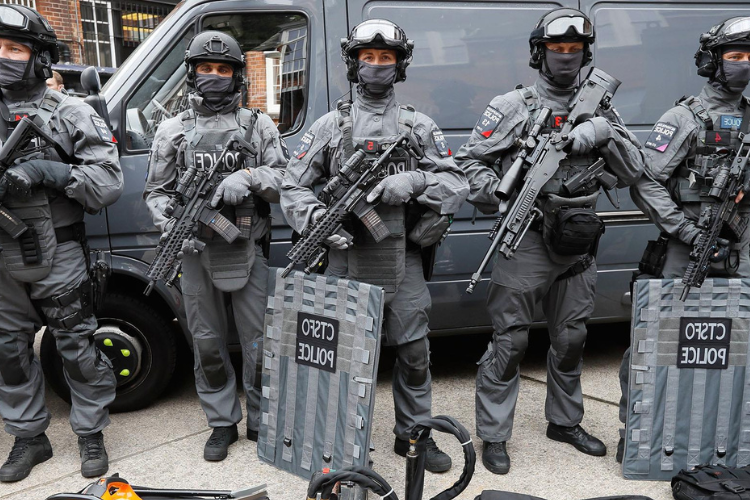
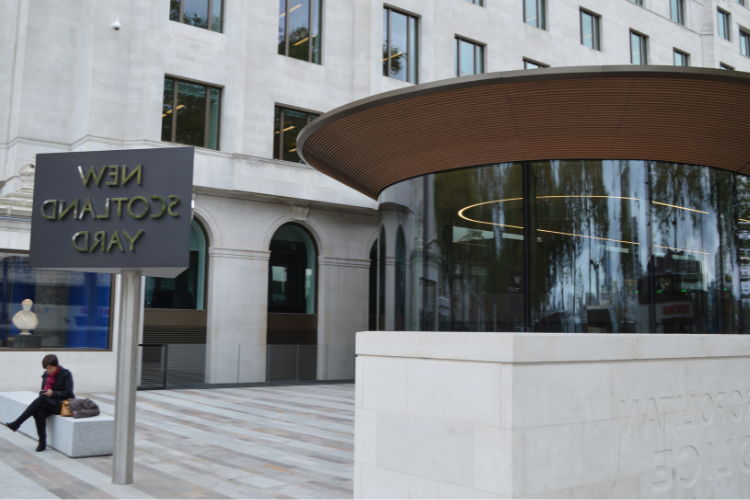
The partner of a Labour MP has been arrested as part of a major UK counter-terrorism investigation into alleged Chinese espionage, according to sources familiar with the case. The arrests were carried out by the Metropolitan Police under powers granted by the National Security Act 2023, legislation designed to combat hostile state activity and foreign interference in Britain.

The case is already raising urgent questions about UK–China relations, national security risks, and political vulnerability inside Westminster.

UK Lawmaker

Scotland Yard


Three Men Arrested on Suspicion of Assisting a Foreign Intelligence Service

Police confirmed that three men — aged 39, 43 and 68 — were detained in coordinated operations across London and Wales.

  • The 39-year-old was arrested at a London address.

  • The 43-year-old was detained in Pontyclun, Wales.

  • The 68-year-old was arrested in Powys, Wales.

All three remain in custody under the Police and Criminal Evidence Act. Officers stressed there is no immediate threat to the public.

Searches were conducted in London, Cardiff, and East Kilbride in Scotland. Police Scotland confirmed it assisted Counter Terrorism Policing London with a property search in East Kilbride.

Authorities say the suspects are being investigated under Section 3 of the National Security Act, which criminalizes conduct that “materially assists a foreign intelligence service” in carrying out UK-related activities.


What Is the UK National Security Act and Why It Matters

The National Security Act 2023 was introduced to strengthen Britain’s ability to counter:

  • Foreign espionage networks operating inside the UK

  • Political interference linked to hostile states

  • Covert influence campaigns targeting democratic institutions

Under the law, individuals can face serious penalties if found to have supported or facilitated the activities of a foreign intelligence agency.

Commander Helen Flanagan, head of Counter Terrorism Policing London, said national security investigations have increased significantly in recent years, adding that police are working to “disrupt malign activity” linked to foreign actors.


Political Shockwaves in Westminster

The development is particularly sensitive because one of the suspects is reportedly the partner of a sitting Labour MP, placing the issue directly inside Parliament.

The arrests come just weeks after Prime Minister Keir Starmer visited Beijing as part of efforts to stabilize and cautiously reset economic ties between the UK and China.

Security Minister Dan Jarvis told MPs that Britain would not “trade off security for economic access.” He warned that if Chinese interference in UK sovereign affairs were proven, there would be “severe consequences.”

Meanwhile, Conservative MP Alex Burghart argued the UK must take a tougher stance against espionage threats, referencing previous failed spy prosecutions and concerns about the approval of a large new Chinese embassy development in central London.

US LawMaker

Crime in uK


Rising Concerns Over Chinese Espionage in the UK

This latest investigation feeds into broader concerns about:

  • Chinese intelligence activity in Europe

  • Alleged surveillance operations near diplomatic sites

  • Foreign influence within political institutions

  • Security risks tied to diplomatic property and infrastructure

In recent years, British officials have repeatedly warned of increasing attempts by foreign states to gain political, economic, or technological leverage through covert means.

While the UK government maintains that maintaining a “functional working relationship with China” is necessary for trade and global cooperation, critics argue that national security must remain the overriding priority.


No Charges Yet — Investigation Ongoing

At this stage:

  • No formal charges have been announced

  • The suspects remain in police custody

  • The investigation is ongoing

Authorities have informed Chinese officials in both London and Beijing about the allegations.

The case underscores the growing tension between economic diplomacy and national security enforcement — a balancing act that continues to define the UK’s China policy.

US LawMaker

Crime in uK


Why This Story Is Significant

This is not just a criminal investigation. It is a high-stakes national security case involving alleged Chinese spying in the UK, counter-terror policing, and potential political fallout inside Parliament.

With the National Security Act now actively being used in espionage investigations, this case could set an important precedent for how Britain handles foreign interference going forward.

As more details emerge, the political and diplomatic consequences may prove as significant as the legal ones.

OpenAI to revise Pentagon AI deal after backlash

OpenAI says it will amend its recent agreement with the United States Department of Defense after criticism over how its AI systems could be used in classified military operations.

Donald Trump 2025 speaking Project 2025 policy blueprint influences immigration and Venezuela strategy

Donald Trump 2025 speaking Project 2025 policy blueprint influences immigration and Venezuela strategy

Chief executive Sam Altman acknowledged the company rushed the original announcement, calling it “opportunistic and sloppy,” and pledged clearer safeguards. The updated language will explicitly prohibit the use of OpenAI systems for domestic surveillance of US citizens and nationals. Intelligence agencies, including the National Security Agency, would require additional contractual modifications before accessing the technology.

Fallout from Anthropic dispute

The controversy followed tensions between the Pentagon and Anthropic, whose AI model Claude was reportedly restricted by the Trump administration after the company refused to remove a corporate “red-line” against developing fully autonomous weapons.

Despite that stance, Claude’s reported use in the US-Israel conflict with Iran raised further scrutiny over how frontier AI models are integrated into operational military workflows.

OpenAI had initially claimed its agreement included “more guardrails than any previous agreement for classified AI deployments.” However, backlash from users was swift. Reports suggest day-over-day uninstalls of the ChatGPT mobile app surged dramatically, while Claude climbed to the top of Apple’s App Store rankings.

How AI is already embedded in warfare

Artificial intelligence is now deeply integrated into military logistics, intelligence processing, and battlefield analysis. Companies like Palantir Technologies supply data-fusion platforms to US, Ukrainian and NATO forces.

Palantir’s AI-enabled defence platform Maven aggregates satellite imagery, battlefield telemetry, and intelligence reports. Commercial large language models — including Claude — can then assist analysts in synthesising that data to accelerate operational decisions.

NATO officials stress that these systems operate with “human in the loop” oversight. Lieutenant Colonel Amanda Gustave, chief data officer for NATO’s Task Force Maven, previously emphasised that AI systems do not independently make lethal decisions.

However, experts warn about reliability risks. Large language models are prone to “hallucinations” — generating confident but incorrect outputs — a vulnerability that becomes critical in high-stakes military contexts.

Professor Mariarosaria Taddeo of Oxford University argued that with Anthropic sidelined, one of the more safety-focused AI actors may be absent from Pentagon deliberations — potentially shifting the balance between capability and constraint.

Bigger questions for AI governance

The episode underscores widening tensions between:

  • National security imperatives

  • Corporate AI governance policies

  • Public trust in consumer AI tools

  • The ethical boundaries of autonomous weapons

As AI systems move from civilian chatbots into classified defence environments, the contractual architecture — including usage restrictions, audit rights, and human-oversight guarantees — is becoming as strategically important as the underlying models themselves.

Nemesio Oseguera Cervantes buried in golden coffin after deadly firefight

Infamous Mexican cartel leader Nemesio Oseguera Cervantes, widely known as El Mencho, has been laid to rest in a gold-colored coffin following his death during a military operation in western Mexico.

Travel

United States

The 59-year-old founder of the Jalisco New Generation Cartel (CJNG) was fatally wounded in a firefight with Mexican special forces in late February. His burial on Monday in Zapopan, Jalisco state — the cartel’s longtime stronghold — drew heavy security amid fears of renewed violence.

Heavy security at funeral in Zapopan

Members of Mexico’s National Guard were deployed around the Recinto de la Paz cemetery to prevent further unrest. El Mencho’s death had already triggered retaliatory attacks across 20 Mexican states, with cartel members torching vehicles and blocking highways.

Mourners arrived at the funeral home under tight security, with many covering their faces using surgical masks to conceal their identities.

Floral tributes and narcocorridos

The ceremony featured elaborate floral arrangements — reportedly transported in five lorries — many sent anonymously. Among them was a large rooster-shaped tribute, referencing Oseguera’s known passion for cockfighting.

A band played traditional ranchero music and narcocorridos — ballads that often glorify drug traffickers. Local media reported that the song El Muchacho Alegre (“The Cheerful Boy”) was performed as the gold coffin was brought into the chapel.

After an hour-long service, mourners followed the casket to a relatively modest grave plot, notably simpler than the grand mausoleums often built for high-ranking cartel figures.

CJNG’s rise and uncertainty ahead

Under Oseguera’s leadership, the CJNG evolved into one of Mexico’s most powerful and violent transnational criminal organizations, expanding operations far beyond Jalisco into drug production and trafficking networks across the country and abroad.

His death has been viewed as a major security victory for President Claudia Sheinbaum’s government, which has faced pressure from Washington — including from former US President Donald Trump — to intensify efforts against cartel violence.

However, analysts warn that the power vacuum left behind could spark internal struggles within the CJNG, potentially leading to further bloodshed as rival factions compete for control of the organization.

US Jets Shot Down Over Kuwait in Apparent Friendly Fire During Iran Conflict

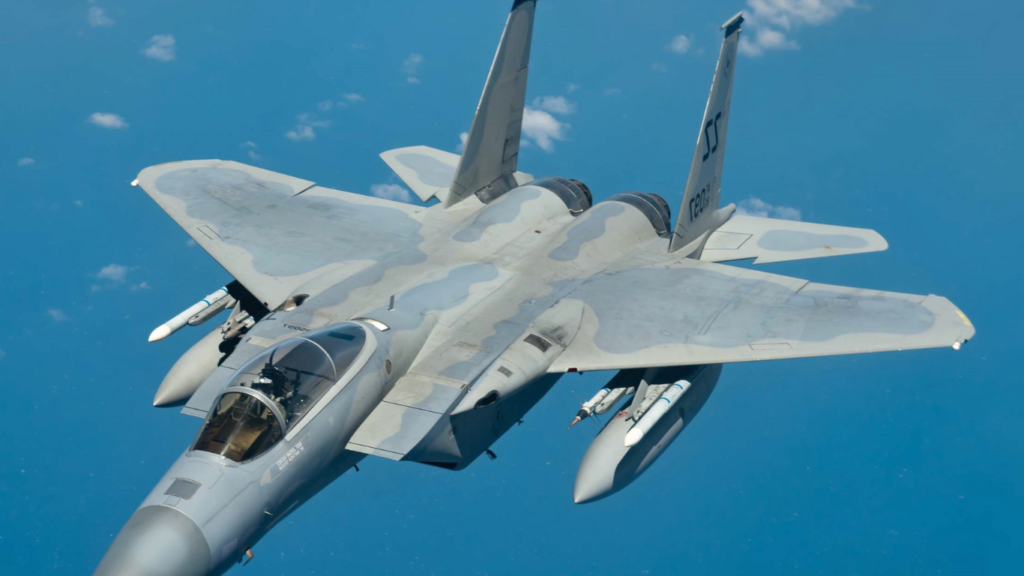
Three American fighter aircraft were shot down over Kuwait in what officials have described as an apparent “friendly fire” incident, marking one of the most serious operational setbacks since the launch of Operation Epic Fury.

Iran

United States

According to United States Central Command (Centcom), the aircraft — identified as F-15 fighters — were mistakenly engaged by Kuwaiti air defence systems while operating in support of ongoing US-Israeli military operations against Iran.

All six crew members successfully ejected and were recovered safely. An investigation into the incident is now underway.

What Happened Over Kuwait?

The aircraft were flying combat support missions linked to the broader US-Israeli campaign when Kuwaiti defensive systems reportedly misidentified them as hostile targets.

US

ISrael

Officials have not disclosed:

  • Whether Identification Friend or Foe (IFF) systems malfunctioned

  • Whether communication breakdowns occurred

  • Or whether heightened regional air defense alert levels contributed to the miscalculation

Friendly fire incidents — while rare — are most likely in high-intensity, multi-theatre conflicts involving coalition forces operating under compressed decision timelines.

Casualties Mount as Conflict Escalates

Centcom also confirmed the death of a fourth US service member who had been critically wounded during Iran’s initial retaliatory strikes. Three other American personnel were previously declared killed. Five more remain seriously injured.

In announcing the joint campaign, President Donald Trump acknowledged the risks, stating that casualties were possible in wartime operations.

Operation “Epic Fury” and Regional Fallout

Defense Secretary Pete Hegseth and Joint Chiefs Chairman Dan Caine described the strikes as part of “Epic Fury,” a coordinated US-Israeli operation that reportedly killed Iran’s Supreme Leader Ayatollah Ali Khamenei.

US officials have insisted the campaign is not a formal regime-change war, though they acknowledged that Iran’s leadership structure has been fundamentally altered.

Iranian authorities claim more than 500 fatalities across over 130 cities following US-Israeli strikes — figures that have not been independently verified.

Iran

United States Plane Down

Conflict Expands Beyond Iran

The war’s geographic footprint is widening:

Energy markets reacted immediately, with oil prices spiking amid fears of prolonged

Why This Friendly Fire Incident Matters

Military analysts note that friendly fire cases often signal:

  1. High operational tempo

  2. Saturated radar environments

  3. Rapid escalation beyond original mission scope

The downing of three advanced F-15 aircraft — despite no loss of life — represents a strategic embarrassment and may trigger reviews of coalition airspace coordination protocols in the Gulf

israel

Iran

Key Takeaways

  • Three US F-15 jets were mistakenly shot down by Kuwaiti air defenses

  • All six crew members survived

  • A fourth US service member has died from earlier wounds

  • Iran-Israel-US hostilities continue expanding regionally

  • Oil markets are reacting to instability

The coming days will likely determine whether diplomatic channels reopen — or whether escalation deepens further across the Middle East.

Oil Prices Surge as Iran Conflict Escalates, Stocks Slide on Strait of Hormuz Fears

Global energy markets were jolted on Monday as oil prices spiked and stock markets fell sharply following intensified military exchanges between Iran, the United States, and Israel.

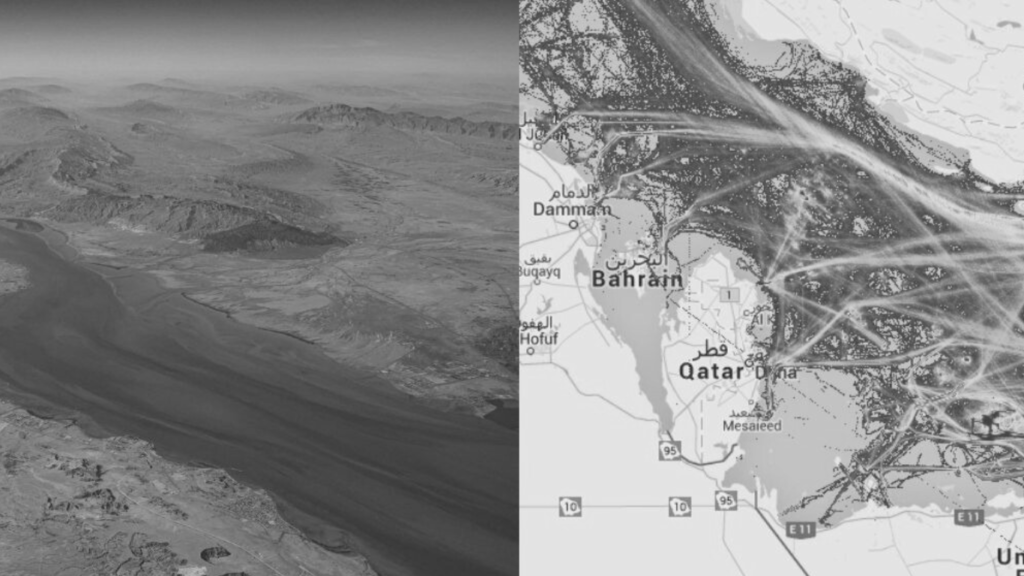
The immediate trigger: escalating threats to close the strategically critical Strait of Hormuz, a maritime chokepoint through which roughly 20% of the world’s oil and gas supplies transit daily.

International Business

Iran

Brent Crude Jumps 10% as Tankers Come Under Attack

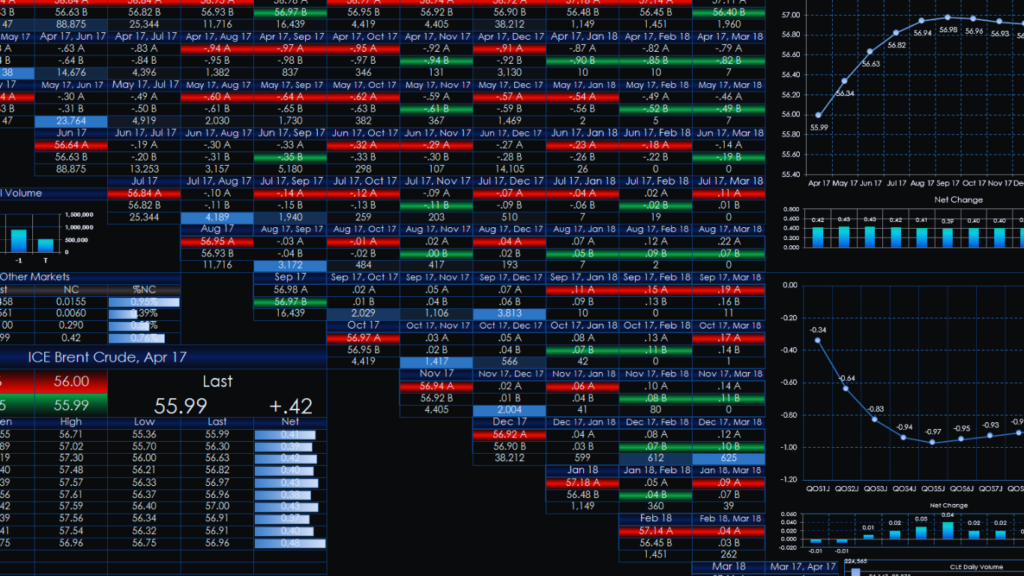
Benchmark Brent crude surged nearly 10%, briefly climbing above $82 per barrel before retreating toward $79. Meanwhile, US-traded crude rose 7.6% to $72.20.

Natural gas prices experienced even sharper volatility, climbing as much as 25% amid concerns of supply disruptions across the Gulf.

The market reaction followed reports that:

  • At least three vessels were attacked near the Strait of Hormuz.

  • Two ships were confirmed struck, according to the UK Maritime Trade Operations Centre.

  • An “unknown projectile” detonated close to a third vessel.

  • Over 150 tankers dropped anchor in Gulf waters rather than risk passage.

Iran warned commercial vessels against transiting the waterway, effectively freezing traffic at the entrance to the Gulf.

Iran US War

UAE

Global Stock Markets Fall on Inflation Fears

Equity markets reacted negatively as investors assessed the inflationary implications of sustained energy price increases.

In London, the FTSE 100 fell 1%, with airline and banking stocks among the hardest hit. Parent company of British Airways saw notable losses amid Middle East airspace disruptions.

Banks including Barclays, Standard Chartered, and HSBC declined as investors priced in the risk of fewer central bank rate cuts.

Across Europe:

  • The CAC 40 dropped 1.8%.

  • Germany’s DAX slid 2.1%.

Investors rotated into safe-haven assets, sending gold prices 2% higher to $5,388 per ounce.

Why the Strait of Hormuz Matters

The Strait of Hormuz is a narrow maritime corridor between Iran and Oman, serving as the primary exit route for oil exports from:

  • Saudi Arabia

  • Iraq

  • UAE

  • Kuwait

  • Qatar

If blocked or significantly disrupted:

  • Oil supply would contract immediately.

  • Insurance premiums for tankers would skyrocket.

  • Global freight rates would surge.

  • Inflation would accelerate across fuel, food, and industrial commodities.

Shipping giant Maersk has already paused sailings through the Bab el-Mandeb Strait and the Suez Canal, rerouting vessels around the Cape of Good Hope — a significantly longer and more expensive route.

Could Oil Hit $100?

Energy analysts remain cautious but not yet alarmist.

Saul Kavonic of MST Marquee stated the market is not in panic mode, noting that oil production infrastructure has not been directly targeted so far.

However, if:

  • The Strait remains effectively closed,

  • Shipping insurers refuse Gulf coverage,

  • Or the conflict broadens regionally,

Oil prices could exceed $100 per barrel — levels not seen since earlier geopolitical shocks.

Dubai-based consultant Robin Mills of Qamar Energy emphasized that current prices remain below peak levels from two years ago, suggesting the market has not yet entered full crisis conditions.

Inflation and Interest Rates at Risk

Higher oil prices have direct and second-order macroeconomic effects:

  1. Immediate rise in petrol and diesel costs.

  2. Higher transportation expenses.

  3. Increased agricultural and food prices.

  4. Elevated manufacturing input costs.

Subitha Subramaniam of Sarasin & Partners warned that prolonged high oil prices would “bleed into inflation.”

The Bank of England, which recently cut interest rates to 3.75% amid cooling inflation, may now pause further reductions.

Energy-driven inflation could complicate monetary policy decisions not only in the UK but also in the US and eurozone.

US Stock IndeX

International Business

OPEC+ Attempts to Stabilize Supply

The OPEC+ group agreed Sunday to increase output by 206,000 barrels per day in an effort to cushion price pressures.

However, analysts question whether this increment is sufficient if Hormuz traffic remains restricted.

Given that daily global oil consumption exceeds 100 million barrels, the announced increase represents a relatively modest buffer.

What Happens Next?

Three key indicators will determine market direction:

  • Whether US naval forces secure shipping lanes.

  • Whether Iranian missile strikes continue.

  • Whether insurers resume normal coverage for Gulf transit.

If tanker movement resumes smoothly, oil prices may retreat quickly. If not, markets could face sustained volatility across energy, equities, and currency markets.

Iran

Iran Israel War

Conclusion

The Strait of Hormuz has once again become the fulcrum of global energy security. While markets are not yet in crisis mode, the risk premium embedded in oil prices reflects genuine concerns over supply disruption.

Should shipping routes normalize, prices could stabilize below $80. But if the conflict broadens or chokepoints remain restricted, the global economy could face renewed inflationary pressures — potentially reversing the progress central banks have made over the past year.

FAQ

Why did oil prices jump?
Because attacks near the Strait of Hormuz raised fears of supply disruption affecting 20% of global oil trade.

Could petrol prices rise soon?
Yes. Retail fuel prices often respond within days to sharp increases in crude oil benchmarks.

Is this an oil crisis?
Not yet. Production infrastructure remains largely intact, and prices remain below previous geopolitical peaks.

What happens if the Strait of Hormuz closes?
Oil could exceed $100 per barrel, shipping costs would surge, and global inflation would likely accelerate.

Are stock markets likely to recover?
That depends on how quickly maritime traffic resumes and whether the conflict escalates further.

Shockwaves in Tehran: How the US-Israel Strike Took Down Iran’s Supreme Leader in Broad Daylight

The reported killing of Ali Khamenei, Iran’s Supreme Leader, marked one of the most consequential covert operations in modern Middle Eastern history. According to emerging details, the strike was the culmination of a months-long intelligence effort coordinated between the United States and Israel, blending technical surveillance, human intelligence, and rapid-strike military planning.

The attack, which took place in central Tehran during the morning hours, deviated from the typical doctrine of nocturnal targeted assassinations. Instead, planners reportedly capitalized on a narrow window of actionable intelligence indicating Khamenei’s presence at a specific compound alongside senior military officials.

Ayatollah Khameni Killed

Israel

Intelligence Penetration and “Pattern of Life” Tracking

For months prior to the strike, US and Israeli intelligence agencies tracked the Supreme Leader’s movements. The operation appears to have relied heavily on advanced surveillance techniques — potentially including telecommunications interception, metadata analysis, and the tracking of associated personnel such as security aides.

During previous operations, Israel has demonstrated an ability to exploit mobile and telecom networks to map high-value targets. By building a “pattern of life” model — a standard intelligence methodology used to predict routines and vulnerabilities — planners were able to anticipate windows of opportunity.

In this instance, US intelligence, reportedly from the CIA, provided timely confirmation of Khamenei’s location. Israeli forces then executed the strike component.

Donald Trump

United States

The Strike: Execution and Military Coordination

The attack reportedly involved Israeli jets deploying approximately 30 precision-guided munitions around 9:40 local time. The high number of bombs suggests attempts to penetrate reinforced underground structures, as Khamenei was believed to be operating from a bunker beneath the compound.

It remains unclear whether the aircraft entered deep Iranian airspace or launched stand-off weapons from distance. Israeli aircraft typically require roughly two hours to reach Tehran from home bases.

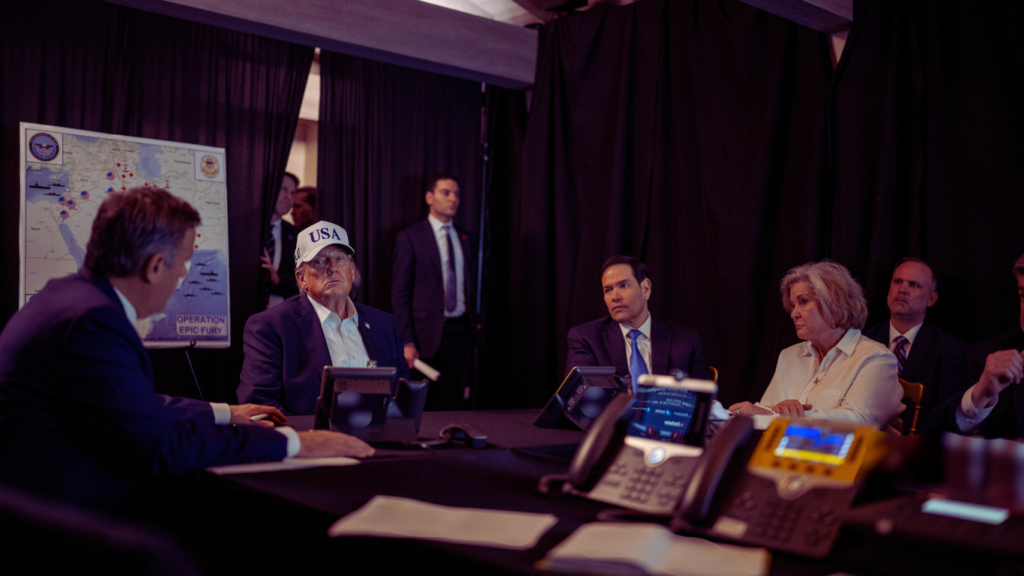
Simultaneously, then-US President Donald Trump and senior officials monitored the operation from Mar-a-Lago, which functioned as a temporary coordination center.

Confirmation of Khamenei’s death reportedly took several hours.

Senior Iranian Officials Also Killed

Israel announced that seven senior Iranian defence figures were killed in the coordinated strikes, including:

  • Ali Shamkhani (Defence Council Secretary)

  • Brig Gen Aziz Nasirzadeh (Defence Minister)

  • Gen Mohammad Pakpour (IRGC commander)

These simultaneous eliminations indicate the strike was not purely symbolic but structured as a broader decapitation strategy aimed at crippling Iran’s command-and-control architecture.

Strategic Implications

The killing of Iran’s Supreme Leader represents an unprecedented escalation in US-Iran-Israel hostilities. Several key implications emerge:

1. Iranian Counterintelligence Failure

Iran was reportedly aware that its leadership was under surveillance. The successful strike suggests either systemic intelligence failure or superior adaptive surveillance by US-Israeli services.

2. Succession Planning

Iran had reportedly prepared succession frameworks for senior leadership positions, including the Supreme Leader role. The speed and cohesion of transition will determine regime stability.

3. Regional Escalation

Iran has already launched retaliatory missile and drone attacks targeting Israel and US-linked facilities in Gulf states. Escalation risk remains high, particularly around:

  • The Strait of Hormuz

  • Gulf Arab states hosting US bases

  • Israeli urban centers

4. Energy Market Volatility

Strikes near maritime routes and reports of tanker incidents have triggered fears of oil price spikes and shipping disruptions.

Broader Geopolitical Context

The operation signals an evolution in targeted killing doctrine:

  • Greater reliance on real-time technical intelligence

  • Closer US-Israel operational division of labor

  • Acceptance of overt, daylight strategic strikes

It also places Washington at the center of a potential regime-change dynamic — a move that carries significant domestic and international political risk.

CIA

FBI

Conclusion

The months-long tracking and eventual killing of Ali Khamenei was not an isolated tactical strike but the product of sustained intelligence penetration, strategic patience, and high-level coordination between the US and Israel.

Whether this operation reshapes the Iranian regime or triggers prolonged regional war remains uncertain. What is clear is that it marks one of the most consequential targeted killings in modern geopolitical history — with ripple effects that will define Middle Eastern security dynamics for years.

Ayatollah Khameni Killed

Israel

FAQs

Who carried out the strike?
US intelligence reportedly identified the opportunity, while Israel executed the airstrike.

Why was the attack conducted in daylight?
It coincided with actionable intelligence confirming Khamenei’s presence at a known location.

Were other officials killed?
Yes, multiple senior Iranian defence and IRGC figures were reportedly killed.

What happens next in Iran?

Iran had succession plans in place, but the political stability of the transition remains uncertain.

Donald Trump

United States

Hollywood Mega-Merger: Paramount to Buy Warner Bros Discovery in $110 Billion Deal After Netflix Walks Away

CNN, CBS, HBO, DC and Mission Impossible Set to Unite Under One Media Giant

In one of the biggest shake-ups in entertainment history, Paramount Global has agreed to acquire Warner Bros. Discovery in a massive $110 billion deal — ending a dramatic bidding war after Netflix stepped out of the race.

The merger, valued at $81 billion in equity, is expected to close in the third quarter of 2026, pending shareholder and regulatory approval.

If approved, the deal will reshape Hollywood — creating a new media powerhouse that combines some of the world’s most valuable studios, networks, and franchises under one roof.

Paramount

CBS


What the Paramount–Warner Bros Deal Includes

The newly combined company will control:

  • Major studios behind blockbuster franchises

  • Networks including CNN and CBS

  • A film library of more than 15,000 titles

  • Global franchises such as:

    • Game of Thrones

    • Mission: Impossible

    • Harry Potter

    • DC Universe films

The companies pledged to release at least 30 theatrical films per year — a move aimed at reassuring cinema operators concerned about declining big-screen output.

Paramount Warner Bros Deal

Paramount deal


Why Netflix Walked Away

Netflix had previously offered $27.75 per share for key Warner assets. Paramount countered with a superior $31-per-share offer, triggering intense negotiations.

Ultimately, Netflix declined to match the higher bid.

Ironically, Netflix still benefits financially. Paramount paid a $2.80 billion termination fee to cover Warner’s previous agreement with Netflix.

Market reaction reflected the shift:

  • Paramount shares rose roughly 3% in extended trading.

  • Netflix shares slipped around 1%.


How the $110 Billion Deal Is Being Funded

The acquisition will be financed through:

  • $47 billion in equity from the Ellison family and RedBird Capital Partners

  • $54 billion in debt commitments from major banks

  • A rights offering of up to $3.25 billion in Class B stock

Paramount and Warner estimate over $6 billion in cost savings from integrating technology platforms, consolidating operations, and eliminating redundancies.

However, analysts warn that the added debt burden could pressure the combined company in a highly competitive streaming environment.


Regulatory Scrutiny Intensifies

The merger is already under review by California regulators. State Attorney General Rob Bonta has indicated the review will be “vigorous.”

European Union antitrust approval is expected to be smoother, with only limited divestments likely.

Lawmakers and industry groups, including the Writers Guild of America, have raised concerns that consolidation could:

  • Reduce competition

  • Limit creative opportunities

  • Increase subscription prices for consumers

Cinema operators are also worried about potential job losses and fewer theatrical releases.


What This Means for Streaming and Hollywood

The merger signals a dramatic shift in the media landscape:

  • Streaming has disrupted traditional TV revenue models.

  • Consolidation is accelerating as companies seek scale.

  • Intellectual property is now the most valuable asset in entertainment.

By combining Warner’s deep IP catalog with Paramount’s production strength, the new entity positions itself to compete more aggressively with Netflix and other global streamers.

But the scale of the merger also makes it one of the most consequential media deals of the decade — and one that could permanently alter Hollywood’s competitive balance.

Paramount

Paramount


What Happens Next?

  • Warner Bros Discovery shareholders are expected to vote in spring 2026.

  • Regulatory reviews could take months.

  • If approved, the merger would close in Q3 2026.

Until then, Hollywood enters a period of uncertainty — and intense scrutiny.


Why This Story Is Trending

This is not just a corporate acquisition. It’s a generational shift in the global entertainment industry, affecting:

  • Streaming wars

  • Theatrical film production

  • News networks

  • Consumer subscription pricing

The Paramount–Warner merger could determine who dominates the next decade of media.

Paramount Warner Bros Deal

Paramount deal


FAQs

How big is the deal?
$110 billion in total value, including $81 billion in equity.

Will Warner Bros still exist as a studio?
Yes. Both studios are expected to continue operating.

Why did Netflix withdraw?
Paramount offered a higher bid that Warner deemed superior.

Could regulators block the deal?
It faces scrutiny, especially in California, but EU approval is expected to be less challenging.

Middle East Travel Chaos: Dubai, Doha & Tel Aviv Flights Cancelled After Iran Retaliation

Air travel across the Middle East has been thrown into turmoil after Iran launched missile and drone strikes in retaliation for joint US-Israeli military action.

Major carriers including Emirates, Qatar Airways, British Airways, Virgin Atlantic, and Wizz Air have cancelled or diverted flights, while key airports in Dubai, Doha, and Tel Aviv faced suspensions or severe disruption.

For travellers, it has meant grounded planes, long airport waits, and last-minute cancellations.

Travel

United States

Why Flights Are Being Cancelled

The disruption follows coordinated strikes by the United States and Israel on Iranian targets. Iran responded with missile and drone attacks targeting locations in Bahrain, Kuwait, Qatar, and the United Arab Emirates.

Both Iranian and Israeli airspace were subsequently closed, forcing airlines to reroute aircraft away from one of the busiest aviation corridors in the world.

Because the Gulf region connects Europe, Asia, and Australia, even limited closures quickly triggered global ripple effects.

United Arab Emirates

Air Travel

Flights in and out of:

  • Dubai International Airport

  • Al Maktoum International Airport

were temporarily suspended as regional airspace restrictions intensified.

Emirates paused operations until Sunday afternoon local time. Airport authorities also confirmed staff injuries during the escalation.

Operations at Hamad International Airport were suspended after Qatari airspace closed.

Later, Qatar Airways announced limited service resumption. Explosions were reportedly heard in Doha after missile interceptions by Qatari defence systems.

Heathrow and European Routes Affected

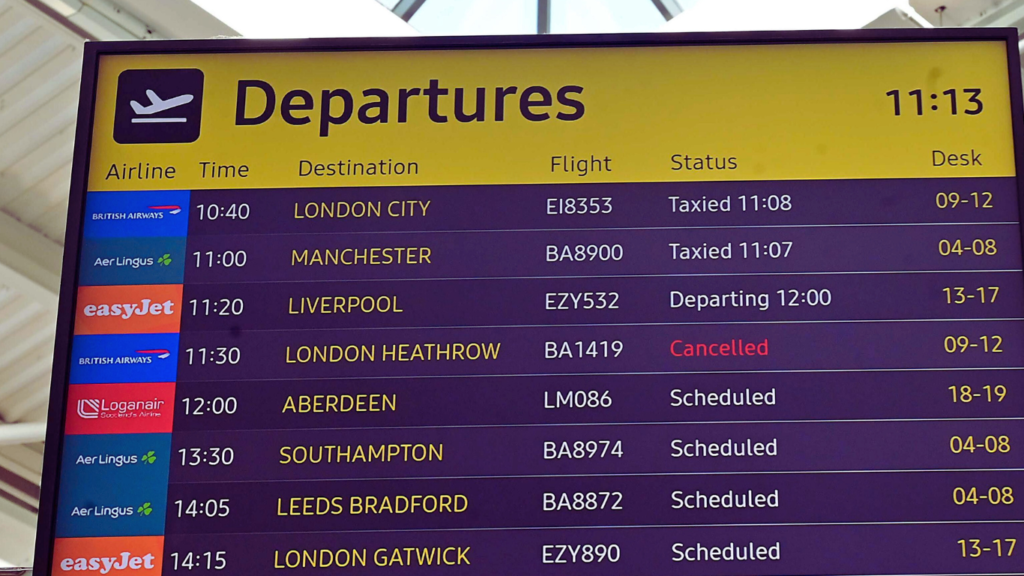
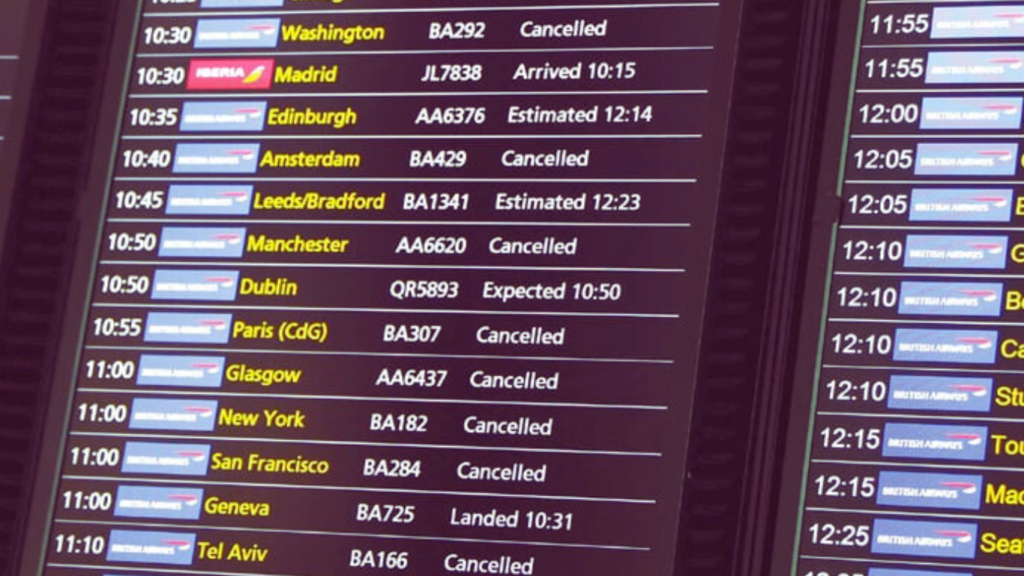
At Heathrow Airport, passengers faced immediate cancellations and delays:

  • British Airways suspended Tel Aviv and Bahrain services.

  • Virgin Atlantic cancelled Dubai and Riyadh flights.

  • Long-haul routes to India, Saudi Arabia and the Maldives were rerouted, increasing flight times.

Some travellers reported sitting onboard aircraft for hours before being told departures were cancelled

Travel Warnings Issued

The UK government urged nationals in affected Gulf countries to shelter in place. Prime Minister Keir Starmer chaired an emergency Cobra meeting to assess the situation.

US President Donald Trump said the strikes were linked to Iran’s nuclear programme and regional security concerns.

Foreign ministries across Europe and North America updated advisories, warning of further disruption.

Why This Is a Big Deal for Global Travel

The Gulf region handles a significant share of global transit traffic:

  • Dubai and Doha are among the world’s busiest international hubs.

  • Thousands of connecting passengers rely on these airports daily.

  • Rerouting adds fuel costs, delays, and scheduling complications.

If tensions persist, airlines may continue to suspend services, potentially impacting fares and availability during peak travel periods.

What Travellers Should Do

  • Check airline apps and official websites before heading to the airport.

  • Monitor travel advisories from your home country.

  • Prepare for delays, rebooking, or overnight airport stays.

  • Confirm refund or compensation policies directly with airlines.

Flexibility is critical as airspace decisions are evolving rapidly.

The Bigger Picture

The latest escalation has turned the Middle East into a flashpoint not only geopolitically but also for global aviation networks. As airspace closures expand and military tensions remain high, airlines are prioritizing safety over schedules.

For now, uncertainty remains — and travellers worldwide are feeling the impact.

United Arab Emirates

Bahrain

FAQs

Are Dubai flights cancelled?
Many departures were temporarily suspended, though limited operations are resuming.

Is Doha airport open?
Operations were halted but are gradually restarting.

Which airlines are affected?
Emirates, Qatar Airways, British Airways, Virgin Atlantic and Wizz Air have confirmed cancellations or rerouting.

Will flights resume soon?
Resumptions depend on regional security assessments and airspace reopenings.