
The reported killing of Ali Khamenei, Iran’s Supreme Leader, marked one of the most consequential covert operations in modern Middle Eastern history. According to emerging details, the strike was the culmination of a months-long intelligence effort coordinated between the United States and Israel, blending technical surveillance, human intelligence, and rapid-strike military planning.
The attack, which took place in central Tehran during the morning hours, deviated from the typical doctrine of nocturnal targeted assassinations. Instead, planners reportedly capitalized on a narrow window of actionable intelligence indicating Khamenei’s presence at a specific compound alongside senior military officials.
Israel
Intelligence Penetration and “Pattern of Life” Tracking
For months prior to the strike, US and Israeli intelligence agencies tracked the Supreme Leader’s movements. The operation appears to have relied heavily on advanced surveillance techniques — potentially including telecommunications interception, metadata analysis, and the tracking of associated personnel such as security aides.
During previous operations, Israel has demonstrated an ability to exploit mobile and telecom networks to map high-value targets. By building a “pattern of life” model — a standard intelligence methodology used to predict routines and vulnerabilities — planners were able to anticipate windows of opportunity.
In this instance, US intelligence, reportedly from the CIA, provided timely confirmation of Khamenei’s location. Israeli forces then executed the strike component.
United States
The Strike: Execution and Military Coordination
The attack reportedly involved Israeli jets deploying approximately 30 precision-guided munitions around 9:40 local time. The high number of bombs suggests attempts to penetrate reinforced underground structures, as Khamenei was believed to be operating from a bunker beneath the compound.
It remains unclear whether the aircraft entered deep Iranian airspace or launched stand-off weapons from distance. Israeli aircraft typically require roughly two hours to reach Tehran from home bases.
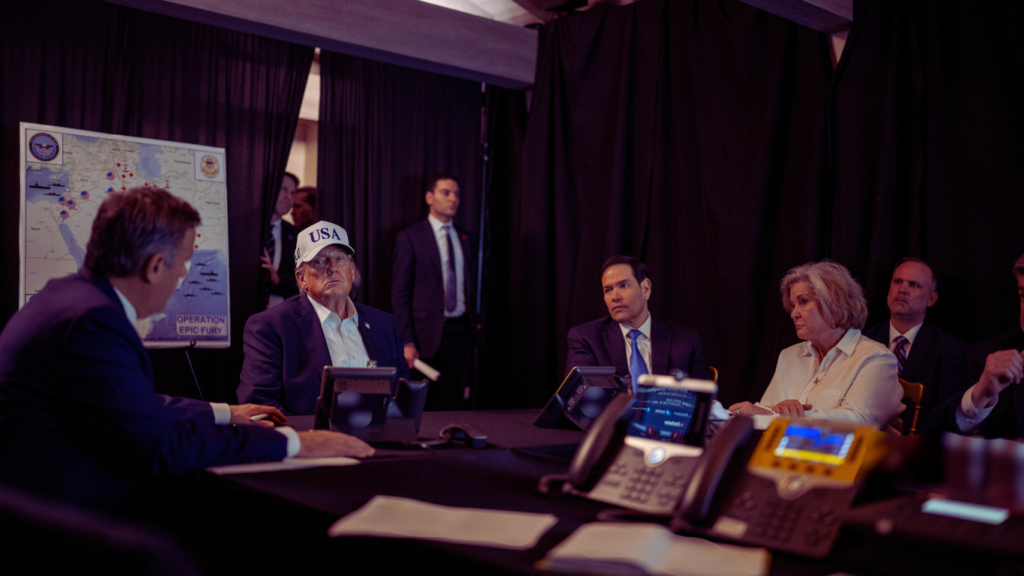
Simultaneously, then-US President Donald Trump and senior officials monitored the operation from Mar-a-Lago, which functioned as a temporary coordination center.
Confirmation of Khamenei’s death reportedly took several hours.
Senior Iranian Officials Also Killed
Israel announced that seven senior Iranian defence figures were killed in the coordinated strikes, including:
Ali Shamkhani (Defence Council Secretary)
Brig Gen Aziz Nasirzadeh (Defence Minister)
Gen Mohammad Pakpour (IRGC commander)
These simultaneous eliminations indicate the strike was not purely symbolic but structured as a broader decapitation strategy aimed at crippling Iran’s command-and-control architecture.
Strategic Implications
The killing of Iran’s Supreme Leader represents an unprecedented escalation in US-Iran-Israel hostilities. Several key implications emerge:
1. Iranian Counterintelligence Failure
Iran was reportedly aware that its leadership was under surveillance. The successful strike suggests either systemic intelligence failure or superior adaptive surveillance by US-Israeli services.
2. Succession Planning
Iran had reportedly prepared succession frameworks for senior leadership positions, including the Supreme Leader role. The speed and cohesion of transition will determine regime stability.
3. Regional Escalation
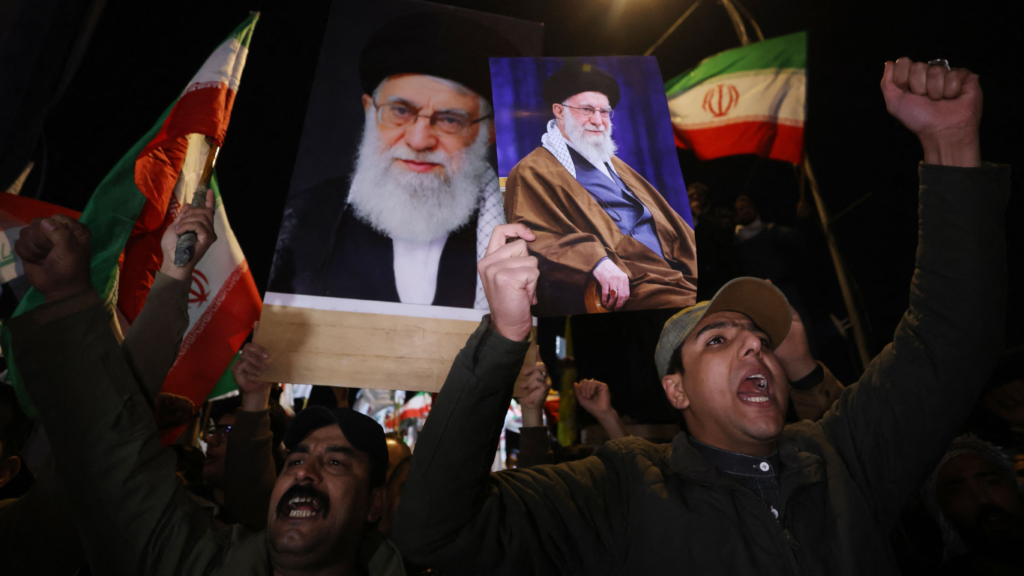
Iran has already launched retaliatory missile and drone attacks targeting Israel and US-linked facilities in Gulf states. Escalation risk remains high, particularly around:
The Strait of Hormuz
Gulf Arab states hosting US bases
Israeli urban centers
4. Energy Market Volatility
Strikes near maritime routes and reports of tanker incidents have triggered fears of oil price spikes and shipping disruptions.
Broader Geopolitical Context
The operation signals an evolution in targeted killing doctrine:
Greater reliance on real-time technical intelligence
Closer US-Israel operational division of labor
Acceptance of overt, daylight strategic strikes
It also places Washington at the center of a potential regime-change dynamic — a move that carries significant domestic and international political risk.
FBI
Conclusion
The months-long tracking and eventual killing of Ali Khamenei was not an isolated tactical strike but the product of sustained intelligence penetration, strategic patience, and high-level coordination between the US and Israel.
Whether this operation reshapes the Iranian regime or triggers prolonged regional war remains uncertain. What is clear is that it marks one of the most consequential targeted killings in modern geopolitical history — with ripple effects that will define Middle Eastern security dynamics for years.
Israel
FAQs
Who carried out the strike?
US intelligence reportedly identified the opportunity, while Israel executed the airstrike.
Why was the attack conducted in daylight?
It coincided with actionable intelligence confirming Khamenei’s presence at a known location.
Were other officials killed?
Yes, multiple senior Iranian defence and IRGC figures were reportedly killed.
What happens next in Iran?
Iran had succession plans in place, but the political stability of the transition remains uncertain.
United States