Iran Sends Mixed Signals to Gulf States After Attacks Amid US-Israel War

Iran’s leadership issues conflicting statements after attacks across the Gulf, as President Masoud Pezeshkian apologises while the IRGC warns of continued strikes if US or Israeli forces operate from neighbouring countries.
Travel

United States

Why Iran Is Sending Mixed Messages on Gulf Attacks During US-Israel War

Iran’s leadership is sending conflicting signals to neighbouring Gulf countries as attacks across the region intensify following the military offensive by the United States and Israel.

While Iranian President Masoud Pezeshkian has apologised to regional nations affected by Tehran’s retaliatory strikes, the powerful Islamic Revolutionary Guard Corps (IRGC) has issued stern warnings that attacks will continue if the United States or Israel use regional territories to target Iran.

The contrasting statements have raised questions about Iran’s strategy and who truly controls decision-making during the escalating conflict.

Iranian President Apologises to Neighbouring Countries

In a recorded message, Pezeshkian said Iran did not intend to harm neighbouring states during its retaliation against US and Israeli attacks.

“I personally apologise to neighbouring countries that were attacked by Iran,” he said, adding that Iran considers countries in the region its “brothers”.

The president emphasised that Iran’s military actions were aimed at US military bases and installations rather than the Gulf nations themselves.

Later, he clarified that his remarks had been misinterpreted by adversaries seeking to create divisions between Iran and its neighbours.

Iran’s Foreign Ministry also issued a statement stressing that Tehran’s operations were strictly defensive actions targeting American military facilities.
Donald Trump

United States

IRGC Issues Strong Warning to Gulf States

Shortly after the president’s remarks, the IRGC released a much tougher statement.

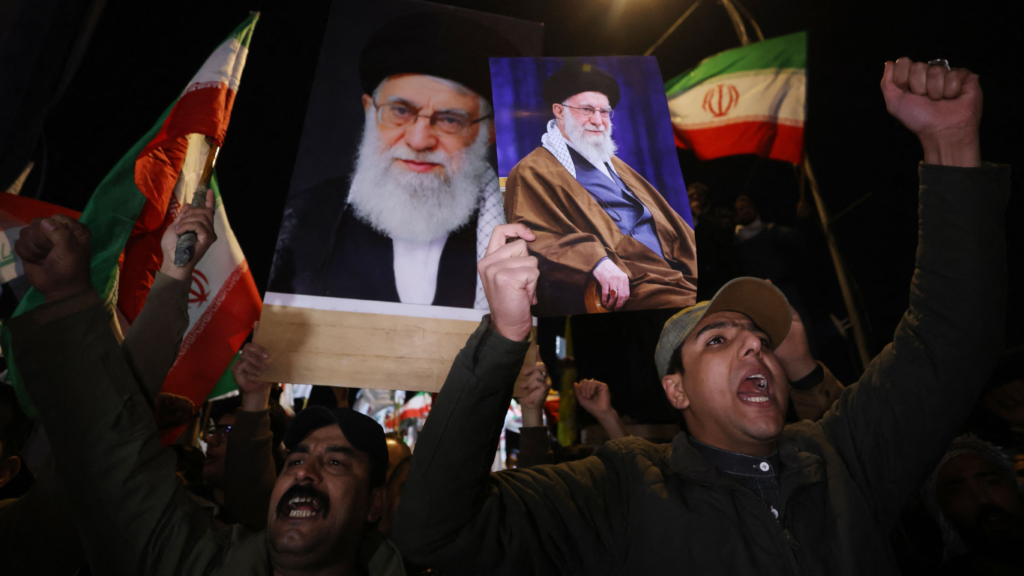
The military force warned that if regional countries allow the United States or Israel to launch attacks from their territory, those locations will become direct targets for Iranian strikes.

The statement said all American and Israeli military interests across the region—on land, sea, and air—would be considered legitimate targets.

Iranian officials, including parliament speaker Mohammad-Bagher Ghalibaf and Foreign Minister Abbas Araghchi, have also stressed Tehran’s right to self-defence.

Power Dynamics Inside Iran

Analysts say the mixed messages reflect the structure of power in Iran.

Although the president is the country’s second-highest official, major decisions related to national security and foreign policy are dominated by the IRGC and the office of the Supreme Leader.

Experts note that civilian leaders often deliver diplomatic messages, while the military leadership communicates strategic warnings.

This dynamic means the IRGC’s statements are often seen as the more authoritative position during wartime.

Attacks Continue Across the Gulf

Despite the president’s conciliatory tone, attacks linked to Iran have continued across the Gulf region.

Several countries reported incoming missiles and drones over the weekend, including Kuwait, Qatar, Saudi Arabia and the United Arab Emirates.

Bahrain said an Iranian drone strike damaged a water desalination plant, a critical piece of infrastructure in a region heavily dependent on desalinated water supplies.

Kuwait also reported casualties among security personnel and fires caused by strikes near its international airport and government facilities.

Most of the missiles and drones were intercepted by regional air defence systems.

Gulf Cooperation Council Condemns Attacks

The Gulf Cooperation Council condemned the attacks on Bahrain and Kuwait, calling them dangerous acts that threaten regional stability.

However, Gulf countries have so far avoided direct military retaliation against Iran, instead focusing on intercepting projectiles and strengthening defence systems.

Analysts warn that if the Gulf states respond militarily, it could trigger a much broader regional war.
US

ISrael

US Reaction to Iran’s Apology

US President Donald Trump responded to the Iranian president’s apology by claiming Tehran had effectively surrendered to its neighbours.

Posting on social media, Trump described Iran as “the loser of the Middle East”.

Iranian analysts dismissed the claim, arguing that Tehran’s message was not a sign of weakness but a warning to regional governments to prevent US or Israeli forces from using their territory to launch attacks.

What Iran’s Mixed Messaging Means

Experts say Iran’s statements reflect a complex strategy aimed at balancing diplomacy with military deterrence.

Tehran appears to be attempting to maintain relations with neighbouring countries while simultaneously warning them against supporting US or Israeli military operations.

The conflicting rhetoric highlights the internal balance of power in Iran, where the military establishment often takes the lead during major security crises.

With attacks continuing across the Gulf, analysts warn that the situation remains volatile and could escalate further if regional powers become directly involved.
Oil Prices Surge as Iran Conflict Escalates, Stocks Slide on Strait of Hormuz Fears

Global energy markets were jolted on Monday as oil prices spiked and stock markets fell sharply following intensified military exchanges between Iran, the United States, and Israel.

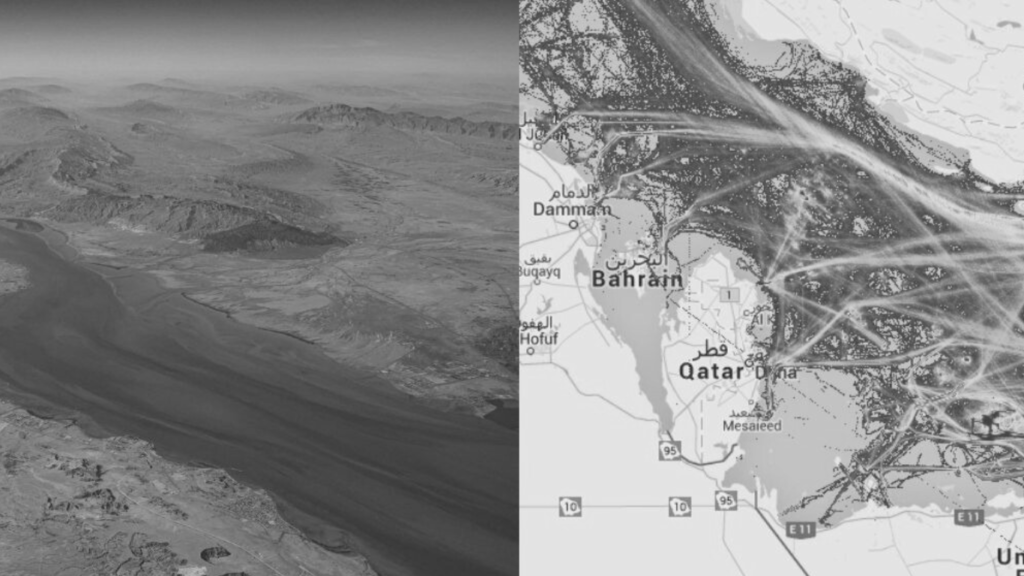
The immediate trigger: escalating threats to close the strategically critical Strait of Hormuz, a maritime chokepoint through which roughly 20% of the world’s oil and gas supplies transit daily.

International Business

Iran

Brent Crude Jumps 10% as Tankers Come Under Attack

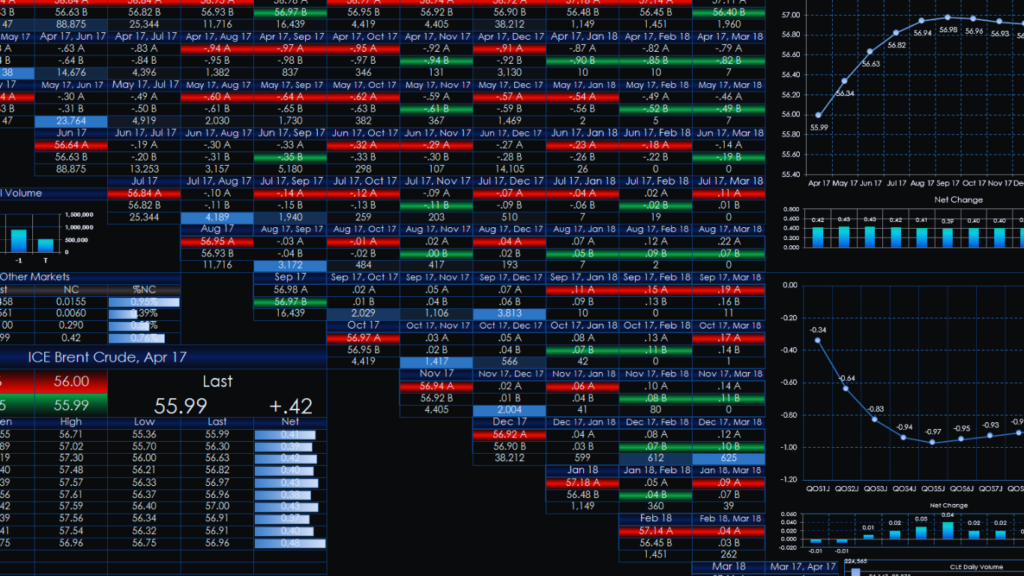
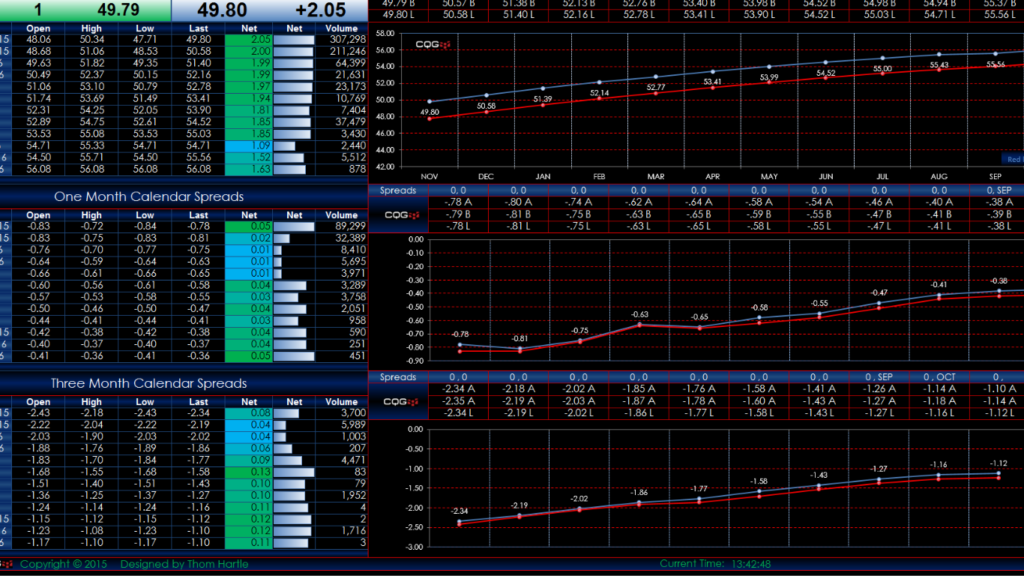
Benchmark Brent crude surged nearly 10%, briefly climbing above $82 per barrel before retreating toward $79. Meanwhile, US-traded crude rose 7.6% to $72.20.

Natural gas prices experienced even sharper volatility, climbing as much as 25% amid concerns of supply disruptions across the Gulf.

The market reaction followed reports that:

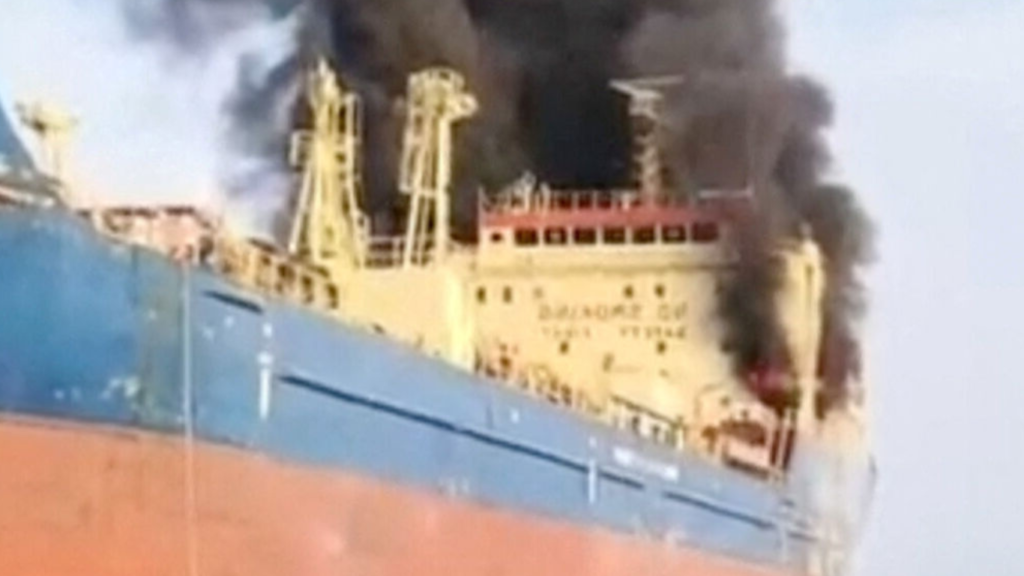
  • At least three vessels were attacked near the Strait of Hormuz.

  • Two ships were confirmed struck, according to the UK Maritime Trade Operations Centre.

  • An “unknown projectile” detonated close to a third vessel.

  • Over 150 tankers dropped anchor in Gulf waters rather than risk passage.

Iran warned commercial vessels against transiting the waterway, effectively freezing traffic at the entrance to the Gulf.

Iran US War

UAE

Global Stock Markets Fall on Inflation Fears

Equity markets reacted negatively as investors assessed the inflationary implications of sustained energy price increases.

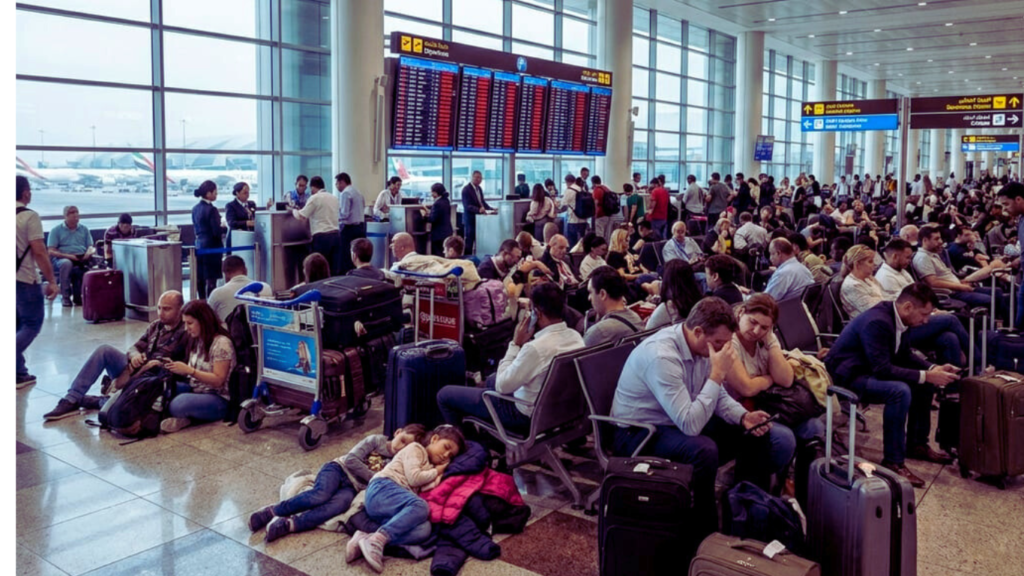
In London, the FTSE 100 fell 1%, with airline and banking stocks among the hardest hit. Parent company of British Airways saw notable losses amid Middle East airspace disruptions.

Banks including Barclays, Standard Chartered, and HSBC declined as investors priced in the risk of fewer central bank rate cuts.

Across Europe:

  • The CAC 40 dropped 1.8%.

  • Germany’s DAX slid 2.1%.

Investors rotated into safe-haven assets, sending gold prices 2% higher to $5,388 per ounce.

Why the Strait of Hormuz Matters

The Strait of Hormuz is a narrow maritime corridor between Iran and Oman, serving as the primary exit route for oil exports from:

  • Saudi Arabia

  • Iraq

  • UAE

  • Kuwait

  • Qatar

If blocked or significantly disrupted:

  • Oil supply would contract immediately.

  • Insurance premiums for tankers would skyrocket.

  • Global freight rates would surge.

  • Inflation would accelerate across fuel, food, and industrial commodities.

Shipping giant Maersk has already paused sailings through the Bab el-Mandeb Strait and the Suez Canal, rerouting vessels around the Cape of Good Hope — a significantly longer and more expensive route.

Could Oil Hit $100?

Energy analysts remain cautious but not yet alarmist.

Saul Kavonic of MST Marquee stated the market is not in panic mode, noting that oil production infrastructure has not been directly targeted so far.

However, if:

  • The Strait remains effectively closed,

  • Shipping insurers refuse Gulf coverage,

  • Or the conflict broadens regionally,

Oil prices could exceed $100 per barrel — levels not seen since earlier geopolitical shocks.

Dubai-based consultant Robin Mills of Qamar Energy emphasized that current prices remain below peak levels from two years ago, suggesting the market has not yet entered full crisis conditions.

Inflation and Interest Rates at Risk

Higher oil prices have direct and second-order macroeconomic effects:

  1. Immediate rise in petrol and diesel costs.

  2. Higher transportation expenses.

  3. Increased agricultural and food prices.

  4. Elevated manufacturing input costs.

Subitha Subramaniam of Sarasin & Partners warned that prolonged high oil prices would “bleed into inflation.”

The Bank of England, which recently cut interest rates to 3.75% amid cooling inflation, may now pause further reductions.

Energy-driven inflation could complicate monetary policy decisions not only in the UK but also in the US and eurozone.

US Stock IndeX

International Business

OPEC+ Attempts to Stabilize Supply

The OPEC+ group agreed Sunday to increase output by 206,000 barrels per day in an effort to cushion price pressures.

However, analysts question whether this increment is sufficient if Hormuz traffic remains restricted.

Given that daily global oil consumption exceeds 100 million barrels, the announced increase represents a relatively modest buffer.

What Happens Next?

Three key indicators will determine market direction:

  • Whether US naval forces secure shipping lanes.

  • Whether Iranian missile strikes continue.

  • Whether insurers resume normal coverage for Gulf transit.

If tanker movement resumes smoothly, oil prices may retreat quickly. If not, markets could face sustained volatility across energy, equities, and currency markets.

Iran

Iran Israel War

Conclusion

The Strait of Hormuz has once again become the fulcrum of global energy security. While markets are not yet in crisis mode, the risk premium embedded in oil prices reflects genuine concerns over supply disruption.

Should shipping routes normalize, prices could stabilize below $80. But if the conflict broadens or chokepoints remain restricted, the global economy could face renewed inflationary pressures — potentially reversing the progress central banks have made over the past year.

FAQ

Why did oil prices jump?
Because attacks near the Strait of Hormuz raised fears of supply disruption affecting 20% of global oil trade.

Could petrol prices rise soon?
Yes. Retail fuel prices often respond within days to sharp increases in crude oil benchmarks.

Is this an oil crisis?
Not yet. Production infrastructure remains largely intact, and prices remain below previous geopolitical peaks.

What happens if the Strait of Hormuz closes?
Oil could exceed $100 per barrel, shipping costs would surge, and global inflation would likely accelerate.

Are stock markets likely to recover?
That depends on how quickly maritime traffic resumes and whether the conflict escalates further.