Oil Prices Surge as Iran Conflict Escalates, Stocks Slide on Strait of Hormuz Fears

Global energy markets were jolted on Monday as oil prices spiked and stock markets fell sharply following intensified military exchanges between Iran, the United States, and Israel.

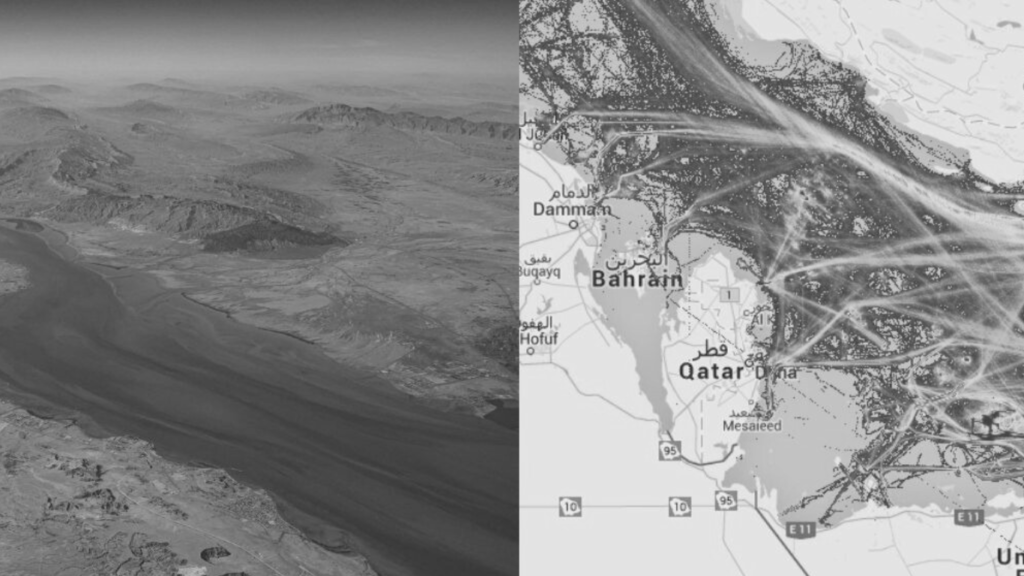
The immediate trigger: escalating threats to close the strategically critical Strait of Hormuz, a maritime chokepoint through which roughly 20% of the world’s oil and gas supplies transit daily.
International Business

Iran

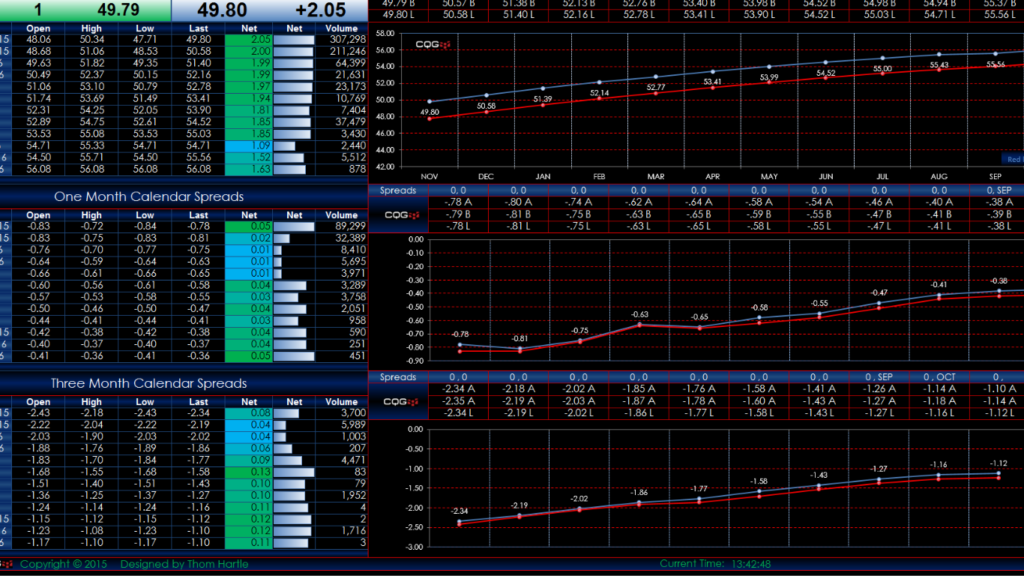
Brent Crude Jumps 10% as Tankers Come Under Attack

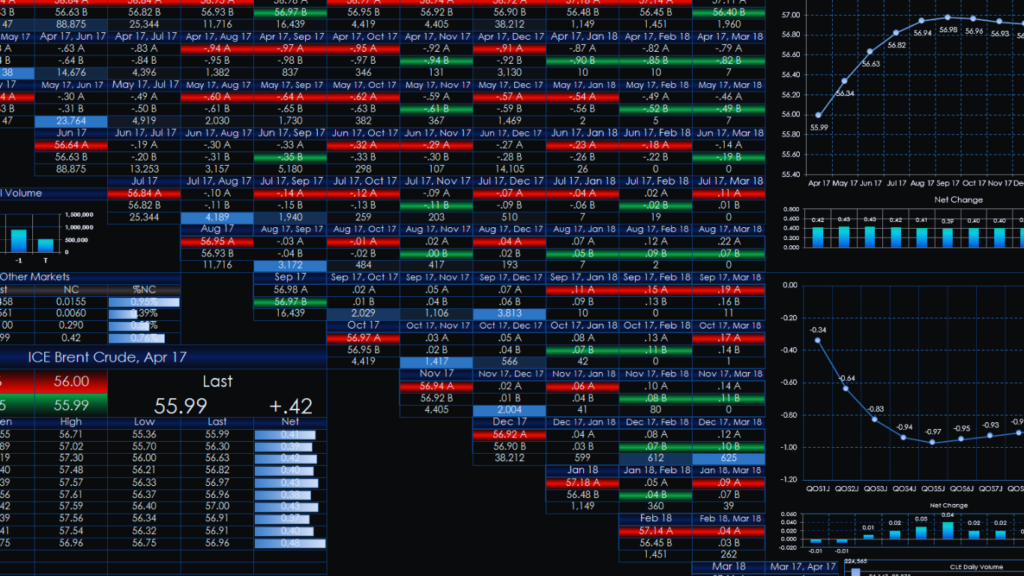
Benchmark Brent crude surged nearly 10%, briefly climbing above $82 per barrel before retreating toward $79. Meanwhile, US-traded crude rose 7.6% to $72.20.

Natural gas prices experienced even sharper volatility, climbing as much as 25% amid concerns of supply disruptions across the Gulf.

The market reaction followed reports that:

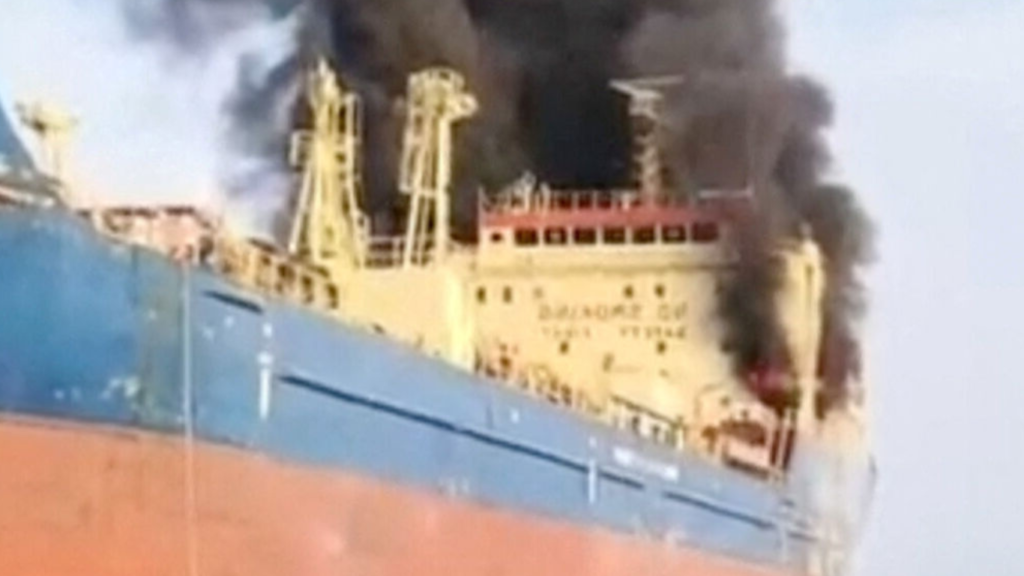
  • At least three vessels were attacked near the Strait of Hormuz.

  • Two ships were confirmed struck, according to the UK Maritime Trade Operations Centre.

  • An “unknown projectile” detonated close to a third vessel.

  • Over 150 tankers dropped anchor in Gulf waters rather than risk passage.

Iran warned commercial vessels against transiting the waterway, effectively freezing traffic at the entrance to the Gulf.
Iran US War

UAE

Global Stock Markets Fall on Inflation Fears

Equity markets reacted negatively as investors assessed the inflationary implications of sustained energy price increases.

In London, the FTSE 100 fell 1%, with airline and banking stocks among the hardest hit. Parent company of British Airways saw notable losses amid Middle East airspace disruptions.

Banks including Barclays, Standard Chartered, and HSBC declined as investors priced in the risk of fewer central bank rate cuts.

Across Europe:

  • The CAC 40 dropped 1.8%.

  • Germany’s DAX slid 2.1%.

Investors rotated into safe-haven assets, sending gold prices 2% higher to $5,388 per ounce.

Why the Strait of Hormuz Matters

The Strait of Hormuz is a narrow maritime corridor between Iran and Oman, serving as the primary exit route for oil exports from:

  • Saudi Arabia

  • Iraq

  • UAE

  • Kuwait

  • Qatar

If blocked or significantly disrupted:

  • Oil supply would contract immediately.

  • Insurance premiums for tankers would skyrocket.

  • Global freight rates would surge.

  • Inflation would accelerate across fuel, food, and industrial commodities.

Shipping giant Maersk has already paused sailings through the Bab el-Mandeb Strait and the Suez Canal, rerouting vessels around the Cape of Good Hope — a significantly longer and more expensive route.

Could Oil Hit $100?

Energy analysts remain cautious but not yet alarmist.

Saul Kavonic of MST Marquee stated the market is not in panic mode, noting that oil production infrastructure has not been directly targeted so far.

However, if:

  • The Strait remains effectively closed,

  • Shipping insurers refuse Gulf coverage,

  • Or the conflict broadens regionally,

Oil prices could exceed $100 per barrel — levels not seen since earlier geopolitical shocks.

Dubai-based consultant Robin Mills of Qamar Energy emphasized that current prices remain below peak levels from two years ago, suggesting the market has not yet entered full crisis conditions.

Inflation and Interest Rates at Risk

Higher oil prices have direct and second-order macroeconomic effects:

  1. Immediate rise in petrol and diesel costs.

  2. Higher transportation expenses.

  3. Increased agricultural and food prices.

  4. Elevated manufacturing input costs.

Subitha Subramaniam of Sarasin & Partners warned that prolonged high oil prices would “bleed into inflation.”

The Bank of England, which recently cut interest rates to 3.75% amid cooling inflation, may now pause further reductions.

Energy-driven inflation could complicate monetary policy decisions not only in the UK but also in the US and eurozone.
US Stock IndeX

International Business

OPEC+ Attempts to Stabilize Supply

The OPEC+ group agreed Sunday to increase output by 206,000 barrels per day in an effort to cushion price pressures.

However, analysts question whether this increment is sufficient if Hormuz traffic remains restricted.

Given that daily global oil consumption exceeds 100 million barrels, the announced increase represents a relatively modest buffer.

What Happens Next?

Three key indicators will determine market direction:

  • Whether US naval forces secure shipping lanes.

  • Whether Iranian missile strikes continue.

  • Whether insurers resume normal coverage for Gulf transit.

If tanker movement resumes smoothly, oil prices may retreat quickly. If not, markets could face sustained volatility across energy, equities, and currency markets.
Iran

Iran Israel War

Conclusion

The Strait of Hormuz has once again become the fulcrum of global energy security. While markets are not yet in crisis mode, the risk premium embedded in oil prices reflects genuine concerns over supply disruption.

Should shipping routes normalize, prices could stabilize below $80. But if the conflict broadens or chokepoints remain restricted, the global economy could face renewed inflationary pressures — potentially reversing the progress central banks have made over the past year.
FAQ

Why did oil prices jump?
Because attacks near the Strait of Hormuz raised fears of supply disruption affecting 20% of global oil trade.

Could petrol prices rise soon?
Yes. Retail fuel prices often respond within days to sharp increases in crude oil benchmarks.

Is this an oil crisis?
Not yet. Production infrastructure remains largely intact, and prices remain below previous geopolitical peaks.

What happens if the Strait of Hormuz closes?
Oil could exceed $100 per barrel, shipping costs would surge, and global inflation would likely accelerate.

Are stock markets likely to recover?
That depends on how quickly maritime traffic resumes and whether the conflict escalates further.

Shockwaves in Tehran: How the US-Israel Strike Took Down Iran’s Supreme Leader in Broad Daylight

The reported killing of Ali Khamenei, Iran’s Supreme Leader, marked one of the most consequential covert operations in modern Middle Eastern history. According to emerging details, the strike was the culmination of a months-long intelligence effort coordinated between the United States and Israel, blending technical surveillance, human intelligence, and rapid-strike military planning.

The attack, which took place in central Tehran during the morning hours, deviated from the typical doctrine of nocturnal targeted assassinations. Instead, planners reportedly capitalized on a narrow window of actionable intelligence indicating Khamenei’s presence at a specific compound alongside senior military officials.

Ayatollah Khameni Killed

Israel

Intelligence Penetration and “Pattern of Life” Tracking

For months prior to the strike, US and Israeli intelligence agencies tracked the Supreme Leader’s movements. The operation appears to have relied heavily on advanced surveillance techniques — potentially including telecommunications interception, metadata analysis, and the tracking of associated personnel such as security aides.

During previous operations, Israel has demonstrated an ability to exploit mobile and telecom networks to map high-value targets. By building a “pattern of life” model — a standard intelligence methodology used to predict routines and vulnerabilities — planners were able to anticipate windows of opportunity.

In this instance, US intelligence, reportedly from the CIA, provided timely confirmation of Khamenei’s location. Israeli forces then executed the strike component.

Donald Trump

United States

The Strike: Execution and Military Coordination

The attack reportedly involved Israeli jets deploying approximately 30 precision-guided munitions around 9:40 local time. The high number of bombs suggests attempts to penetrate reinforced underground structures, as Khamenei was believed to be operating from a bunker beneath the compound.

It remains unclear whether the aircraft entered deep Iranian airspace or launched stand-off weapons from distance. Israeli aircraft typically require roughly two hours to reach Tehran from home bases.

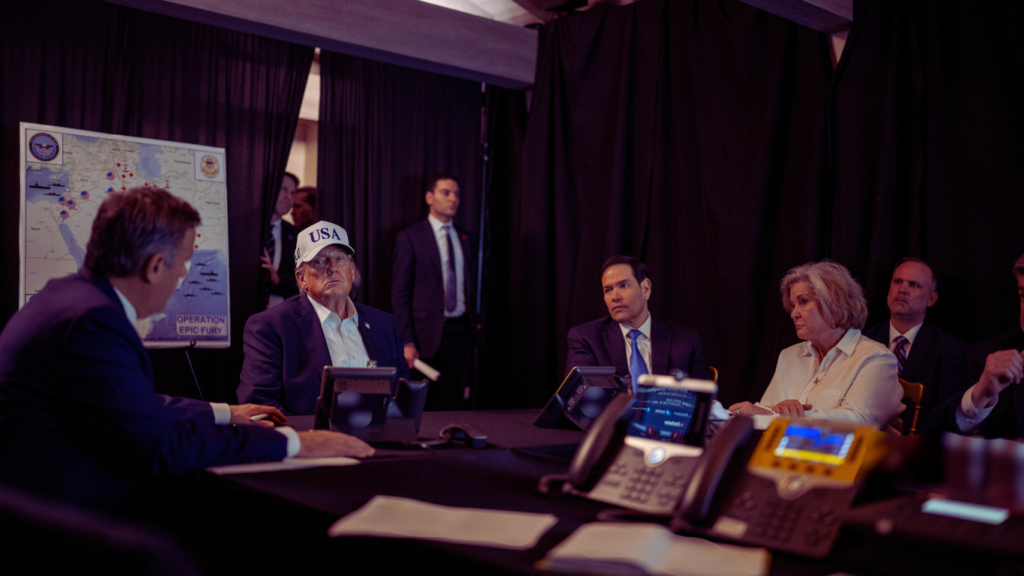
Simultaneously, then-US President Donald Trump and senior officials monitored the operation from Mar-a-Lago, which functioned as a temporary coordination center.

Confirmation of Khamenei’s death reportedly took several hours.

Senior Iranian Officials Also Killed

Israel announced that seven senior Iranian defence figures were killed in the coordinated strikes, including:

  • Ali Shamkhani (Defence Council Secretary)

  • Brig Gen Aziz Nasirzadeh (Defence Minister)

  • Gen Mohammad Pakpour (IRGC commander)

These simultaneous eliminations indicate the strike was not purely symbolic but structured as a broader decapitation strategy aimed at crippling Iran’s command-and-control architecture.

Strategic Implications

The killing of Iran’s Supreme Leader represents an unprecedented escalation in US-Iran-Israel hostilities. Several key implications emerge:

1. Iranian Counterintelligence Failure

Iran was reportedly aware that its leadership was under surveillance. The successful strike suggests either systemic intelligence failure or superior adaptive surveillance by US-Israeli services.

2. Succession Planning

Iran had reportedly prepared succession frameworks for senior leadership positions, including the Supreme Leader role. The speed and cohesion of transition will determine regime stability.

3. Regional Escalation

Iran has already launched retaliatory missile and drone attacks targeting Israel and US-linked facilities in Gulf states. Escalation risk remains high, particularly around:

  • The Strait of Hormuz

  • Gulf Arab states hosting US bases

  • Israeli urban centers

4. Energy Market Volatility

Strikes near maritime routes and reports of tanker incidents have triggered fears of oil price spikes and shipping disruptions.

Broader Geopolitical Context

The operation signals an evolution in targeted killing doctrine:

  • Greater reliance on real-time technical intelligence

  • Closer US-Israel operational division of labor

  • Acceptance of overt, daylight strategic strikes

It also places Washington at the center of a potential regime-change dynamic — a move that carries significant domestic and international political risk.

CIA

FBI

Conclusion

The months-long tracking and eventual killing of Ali Khamenei was not an isolated tactical strike but the product of sustained intelligence penetration, strategic patience, and high-level coordination between the US and Israel.

Whether this operation reshapes the Iranian regime or triggers prolonged regional war remains uncertain. What is clear is that it marks one of the most consequential targeted killings in modern geopolitical history — with ripple effects that will define Middle Eastern security dynamics for years.

Ayatollah Khameni Killed

Israel

FAQs

Who carried out the strike?
US intelligence reportedly identified the opportunity, while Israel executed the airstrike.

Why was the attack conducted in daylight?
It coincided with actionable intelligence confirming Khamenei’s presence at a known location.

Were other officials killed?
Yes, multiple senior Iranian defence and IRGC figures were reportedly killed.

What happens next in Iran?

Iran had succession plans in place, but the political stability of the transition remains uncertain.

Donald Trump

United States