
Iran’s leadership issues conflicting statements after attacks across the Gulf, as President Masoud Pezeshkian apologises while the IRGC warns of continued strikes if US or Israeli forces operate from neighbouring countries.
United States
Why Iran Is Sending Mixed Messages on Gulf Attacks During US-Israel War
Iran’s leadership is sending conflicting signals to neighbouring Gulf countries as attacks across the region intensify following the military offensive by the United States and Israel.
While Iranian President Masoud Pezeshkian has apologised to regional nations affected by Tehran’s retaliatory strikes, the powerful Islamic Revolutionary Guard Corps (IRGC) has issued stern warnings that attacks will continue if the United States or Israel use regional territories to target Iran.
The contrasting statements have raised questions about Iran’s strategy and who truly controls decision-making during the escalating conflict.
Iranian President Apologises to Neighbouring Countries
In a recorded message, Pezeshkian said Iran did not intend to harm neighbouring states during its retaliation against US and Israeli attacks.
“I personally apologise to neighbouring countries that were attacked by Iran,” he said, adding that Iran considers countries in the region its “brothers”.
The president emphasised that Iran’s military actions were aimed at US military bases and installations rather than the Gulf nations themselves.
Later, he clarified that his remarks had been misinterpreted by adversaries seeking to create divisions between Iran and its neighbours.
Iran’s Foreign Ministry also issued a statement stressing that Tehran’s operations were strictly defensive actions targeting American military facilities.
United States
IRGC Issues Strong Warning to Gulf States
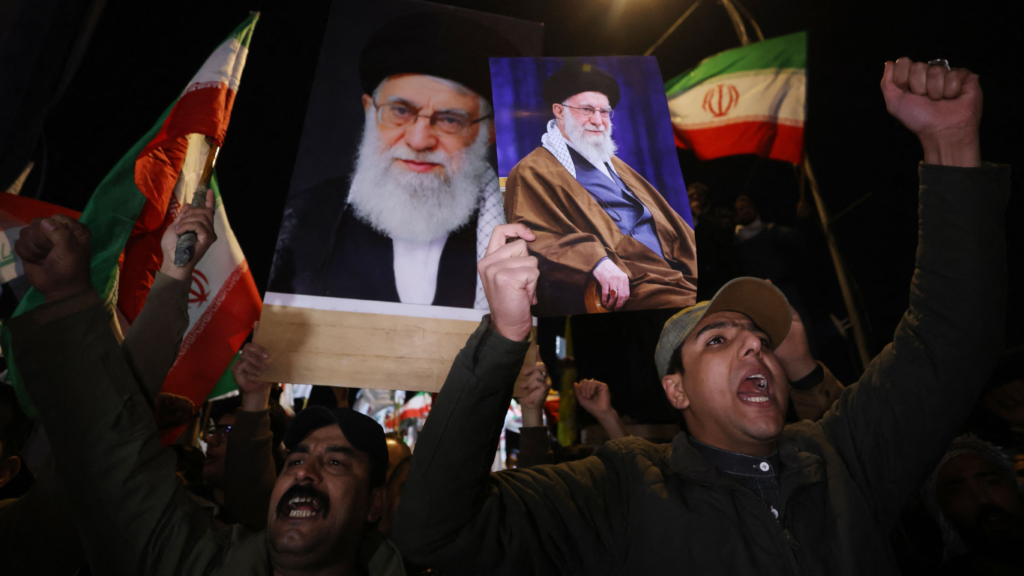
Shortly after the president’s remarks, the IRGC released a much tougher statement.
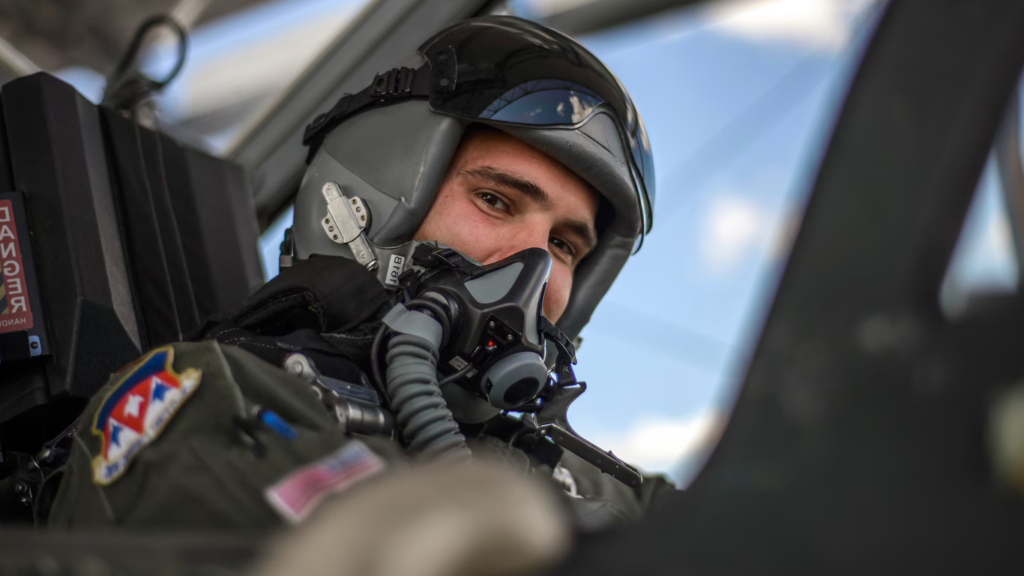
The military force warned that if regional countries allow the United States or Israel to launch attacks from their territory, those locations will become direct targets for Iranian strikes.
The statement said all American and Israeli military interests across the region—on land, sea, and air—would be considered legitimate targets.
Iranian officials, including parliament speaker Mohammad-Bagher Ghalibaf and Foreign Minister Abbas Araghchi, have also stressed Tehran’s right to self-defence.
Power Dynamics Inside Iran
Analysts say the mixed messages reflect the structure of power in Iran.
Although the president is the country’s second-highest official, major decisions related to national security and foreign policy are dominated by the IRGC and the office of the Supreme Leader.
Experts note that civilian leaders often deliver diplomatic messages, while the military leadership communicates strategic warnings.
This dynamic means the IRGC’s statements are often seen as the more authoritative position during wartime.
Attacks Continue Across the Gulf
Despite the president’s conciliatory tone, attacks linked to Iran have continued across the Gulf region.
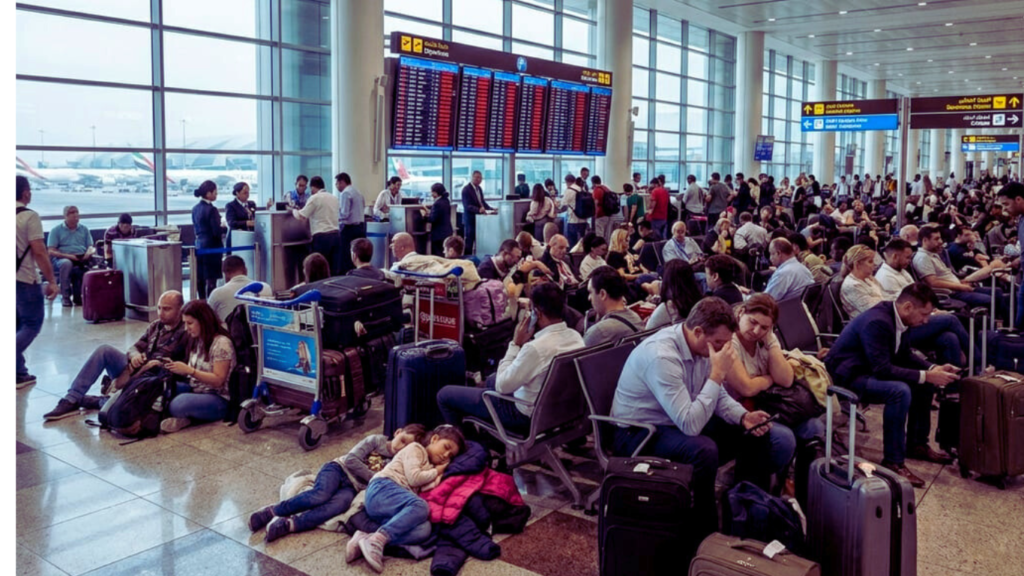
Several countries reported incoming missiles and drones over the weekend, including Kuwait, Qatar, Saudi Arabia and the United Arab Emirates.
Bahrain said an Iranian drone strike damaged a water desalination plant, a critical piece of infrastructure in a region heavily dependent on desalinated water supplies.
Kuwait also reported casualties among security personnel and fires caused by strikes near its international airport and government facilities.
Most of the missiles and drones were intercepted by regional air defence systems.
Gulf Cooperation Council Condemns Attacks
The Gulf Cooperation Council condemned the attacks on Bahrain and Kuwait, calling them dangerous acts that threaten regional stability.
However, Gulf countries have so far avoided direct military retaliation against Iran, instead focusing on intercepting projectiles and strengthening defence systems.
Analysts warn that if the Gulf states respond militarily, it could trigger a much broader regional war.
ISrael
US Reaction to Iran’s Apology
US President Donald Trump responded to the Iranian president’s apology by claiming Tehran had effectively surrendered to its neighbours.
Posting on social media, Trump described Iran as “the loser of the Middle East”.
Iranian analysts dismissed the claim, arguing that Tehran’s message was not a sign of weakness but a warning to regional governments to prevent US or Israeli forces from using their territory to launch attacks.
What Iran’s Mixed Messaging Means
Experts say Iran’s statements reflect a complex strategy aimed at balancing diplomacy with military deterrence.
Tehran appears to be attempting to maintain relations with neighbouring countries while simultaneously warning them against supporting US or Israeli military operations.
The conflicting rhetoric highlights the internal balance of power in Iran, where the military establishment often takes the lead during major security crises.
With attacks continuing across the Gulf, analysts warn that the situation remains volatile and could escalate further if regional powers become directly involved.