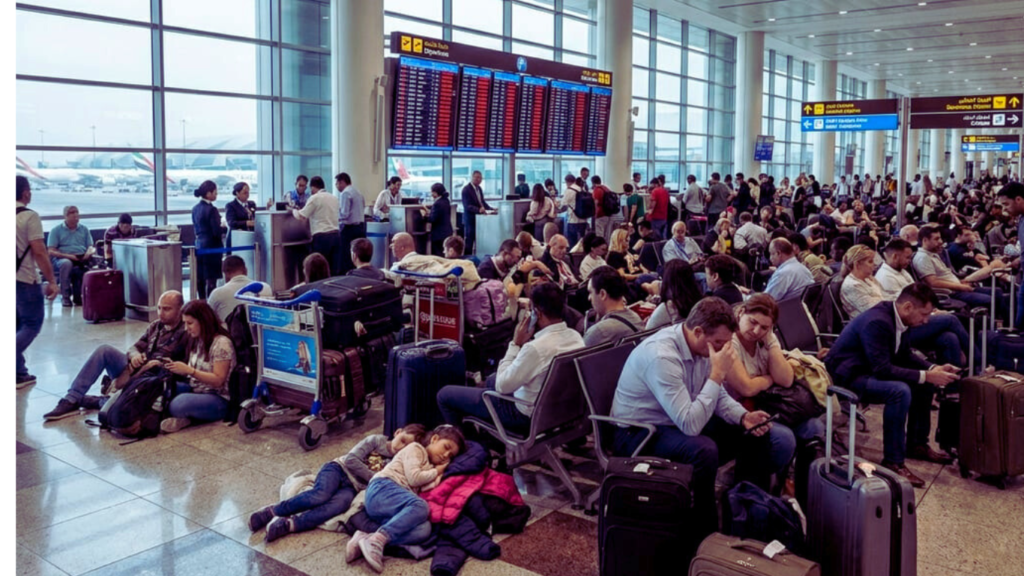
Tensions between the United States and Iran have intensified sharply after Donald Trump issued a dramatic 48-hour ultimatum demanding that Tehran reopen the strategically vital Strait of Hormuz. Iran swiftly dismissed the warning, mocking what it described as “ultimatum rants,” signaling defiance amid an already volatile regional conflict.

ISrael
US Threatens Action Over Strait of Hormuz
In a strongly worded social media post, President Trump warned Iran that “time is running out,” threatening severe consequences if the key maritime route is not reopened within 48 hours. The Strait of Hormuz is one of the world’s most critical oil transit routes, making any disruption a major global concern.
Iran, however, responded with sarcasm and rejection, indicating it would not bow to public pressure or threats.
Downed US Fighter Jet Intensifies Crisis
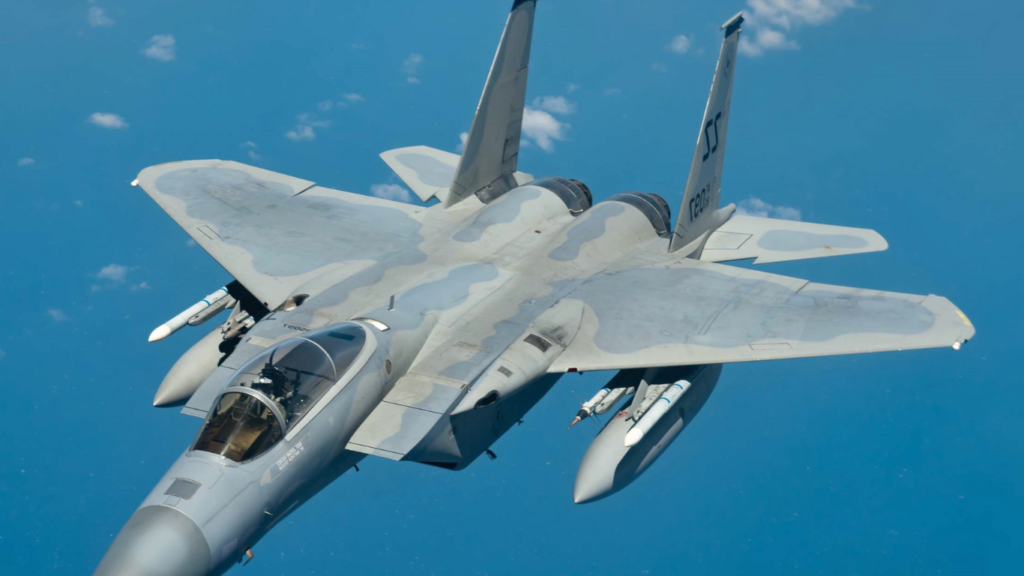
The conflict escalated further after a US F-15E Strike Eagle was shot down over Iranian territory—the first such incident in the current war.
- One crew member has been rescued
- A second remains missing as search operations continue
The US military has deployed extensive rescue efforts, including helicopters and transport aircraft, highlighting the seriousness of the situation.
US Expands Military Operations
According to reports, the United States is preparing to deploy advanced long-range stealth missiles, including Joint Air-to-Surface Standoff Missiles (JASSM-ER), to the Middle East. These weapons are capable of striking targets from over 600 miles away while avoiding sophisticated air defense systems.
The move underscores a significant escalation in military strategy, suggesting that the conflict may intensify in the coming days.
Iran Tightens Grip on Strait of Hormuz
Iran has announced partial restrictions on the Strait of Hormuz, allowing only ships carrying “essential goods” to pass. However, it remains unclear what qualifies as essential.
Notably, Iran has exempted Iraq from these restrictions, indicating selective enforcement and regional political considerations.
Israel Expands Strikes on Iranian Infrastructure
Benjamin Netanyahu confirmed that Israeli forces have targeted Iranian petrochemical facilities. These strikes mark a shift toward attacking economic infrastructure rather than purely military targets.
Israeli officials have suggested that further attacks on Iran’s energy sector could occur soon, pending US approval.
Iran Warns of Regional Consequences
Iranian military officials have issued stark warnings, stating that continued escalation could turn the entire region into “hell” for both the United States and Israel.
Tehran also claims to have deployed a new air defense system and aims to regain full control of its airspace after weeks of aerial bombardment.
Political Tensions Rise in the United States
In a related development, US authorities revoked residency permits of a relative of Qasem Soleimani, citing alleged support for Iran’s government and military actions. The move reflects increasing domestic measures tied to the broader geopolitical conflict.
Conclusion
The situation between the US, Iran, and Israel is rapidly escalating across military, economic, and political fronts. With threats, airstrikes, and strategic blockades intensifying, the risk of a wider regional conflict is growing. The coming days—especially following the 48-hour ultimatum—could prove critical in determining whether tensions spiral further or shift toward de-escalation.
FAQs
1. Why is the Strait of Hormuz important?
The Strait of Hormuz is a key passage for global oil shipments. Any disruption can significantly impact oil prices and global energy supply.
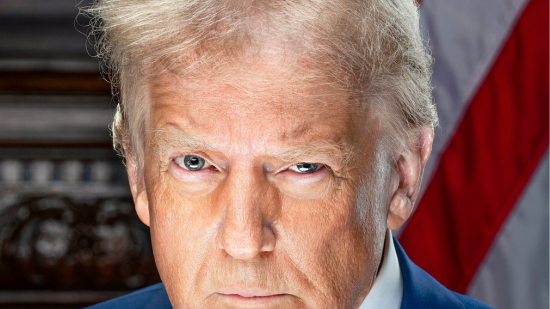
Donald Trump 2025 speaking Project 2025 policy blueprint influences immigration and Venezuela strategy
2. What triggered the current escalation?
The escalation follows ongoing military conflict, US airstrikes, and Iran’s restrictions on maritime traffic, culminating in President Trump’s ultimatum.
3. What is the significance of the downed US jet?
The downing of the F-15E Strike Eagle marks a major escalation, showing Iran’s capability to challenge US air operations directly.
4. Could this lead to a wider war?
Yes, continued military actions, threats, and economic disruptions increase the risk of a broader regional conflict involving multiple countries.
5. What role is Israel playing?
Under Benjamin Netanyahu, Israel has expanded strikes targeting Iranian infrastructure and may escalate further depending on US coordination.