

Overview of the Incident
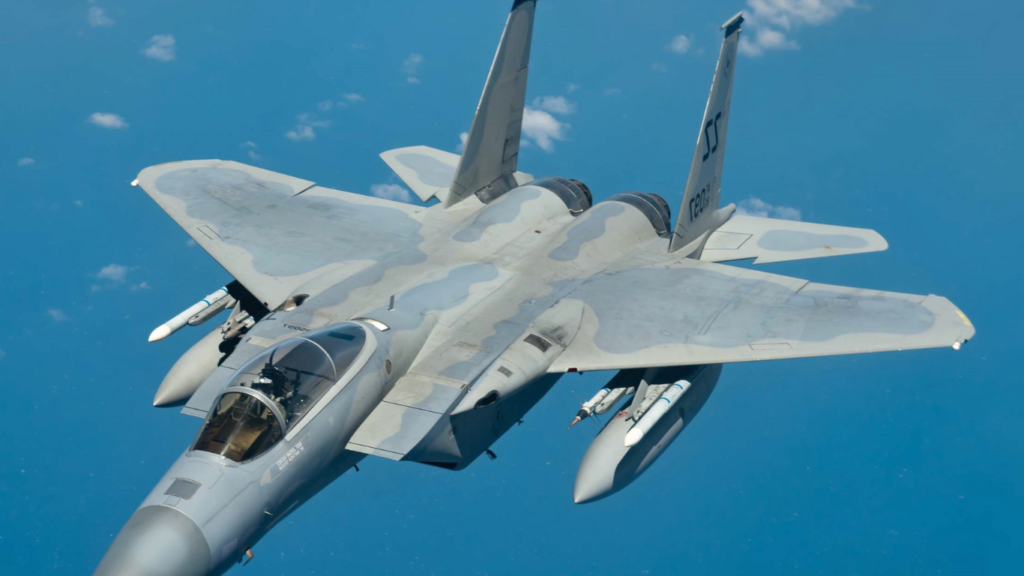
Iran has reportedly shot down two U.S. military aircraft amid escalating conflict in the Middle East. The aircraft involved include an F-15E Strike Eagle fighter jet and an A-10 Thunderbolt II attack aircraft. One U.S. service member has been rescued, while another remains missing as search operations continue.
This marks a rare and significant moment in modern warfare, highlighting growing risks in direct state-level conflict.
Why This Event Is Historically Significant
The downing of a U.S. fighter jet by enemy fire has not occurred in over two decades. The last comparable incident dates back to the 2003 invasion of Iraq, when an American A-10 aircraft was shot down.
This development signals a shift from low-risk conflicts against insurgent groups to high-threat engagements with a nation capable of advanced defense systems.
How Iran Likely Shot Down the Jets
Military experts suggest the aircraft were likely hit by:
- Shoulder-fired surface-to-air missiles
- Portable systems that are difficult to detect and intercept
Additionally, U.S. aircraft may have been operating at lower altitudes, increasing their exposure to such threats.
State of the Conflict: Air Superiority vs. Vulnerability
While the United States has conducted:
- Over 13,000 missions
- More than 12,000 targeted strikes
…it does not guarantee total control of the skies. Analysts emphasize the difference between:
- Air superiority (dominance in most situations)
- Air supremacy (complete control without threat)
Iran’s military, though weakened, remains capable of launching effective counterattacks.
Risks Facing Rescue Operations
Search-and-rescue missions are currently underway for the missing crew member. These missions are particularly dangerous because:
- Helicopters fly at low speeds and altitudes
- They are more vulnerable to enemy fire
Despite the risks, such operations are critical for recovering personnel in hostile territory.
Political and Strategic Implications
Even limited losses can have outsized political effects:
- Public tolerance for casualties in modern U.S. conflicts is low
- This incident may influence decisions on whether to escalate or de-escalate the conflict
It also challenges narratives suggesting that Iran’s military capabilities have been fully neutralized.
Conclusion
The reported downing of U.S. military jets by Iran marks a turning point in the conflict, underscoring the dangers of engaging a capable state adversary. While the U.S. maintains significant military dominance, this incident proves that risks remain real and evolving. The situation could shape both military strategy and political decisions in the coming weeks.
FAQ
1. When was the last time a U.S. jet was shot down in combat?
The last known incident occurred during the 2003 invasion of Iraq, making this the first such event in over 20 years.
2. What aircraft were shot down by Iran?
Reports indicate an F-15E Strike Eagle and an A-10 Thunderbolt II were targeted.
3. How were the U.S. jets shot down?
Experts believe portable, shoulder-fired surface-to-air missiles were likely used due to their mobility and difficulty to detect.
4. Why is this incident important?
It highlights Iran’s continued military capability and marks a rare loss for the U.S., signaling increased risks in the conflict.
5. Are rescue operations still ongoing?
Yes, efforts are underway to locate and recover a missing U.S. crew member, with significant risks involved.