
Overview
Donald Trump has issued a sharp warning to key European allies, signaling a potential shift in long-standing transatlantic defense relations. In a series of public statements, Trump criticized both France and the United Kingdom for refusing to support U.S. and Israel military operations against Iran.
The remarks come amid escalating tensions in the Middle East, where Iran has effectively blocked the strategically vital Strait of Hormuz, disrupting global energy flows and increasing geopolitical uncertainty.
Trump’s Message to European Allies
Trump’s statements reflect growing frustration with what he perceives as a lack of burden-sharing among Western allies.
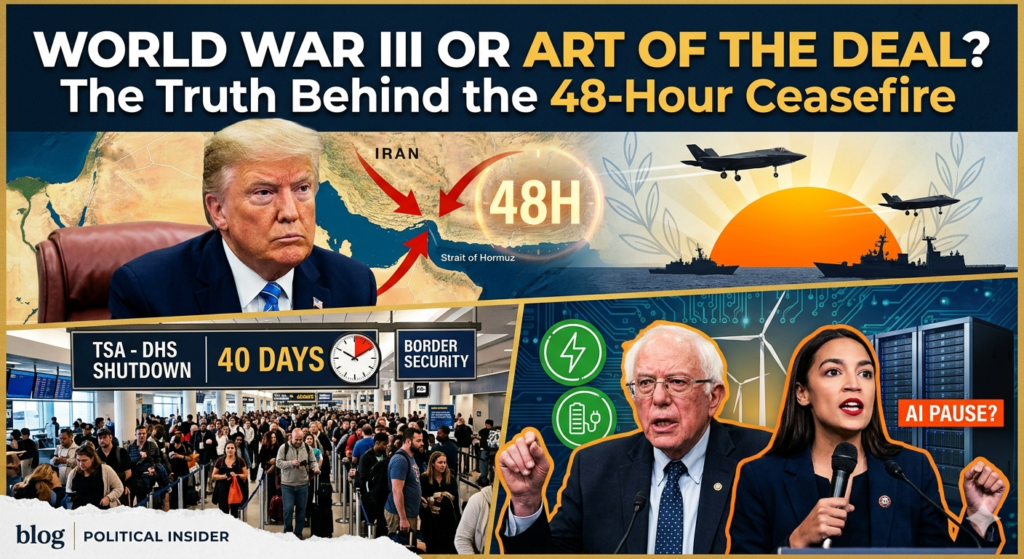
Political Trends USA Today
- He accused France of blocking military logistics support.
- He criticized the UK for failing to engage in securing the Strait of Hormuz.
- He warned that the U.S. “won’t be there to help” allies who do not reciprocate support.
Pete Hegseth echoed this stance, emphasizing that global security responsibilities should not fall solely on the United States and urging other nations to strengthen their military readiness.
The Iran Conflict and Strait of Hormuz Crisis
The ongoing conflict between the U.S., Israel, and Iran has rapidly evolved into a broader geopolitical flashpoint.
Strategic Importance of the Strait of Hormuz
- One of the world’s most critical النفط (oil) transit chokepoints
- A major route for global energy supplies, especially to Europe and Asia
- Currently disrupted by Iranian military actions and maritime attacks
The blockade has already:
- Increased global energy price volatility
- Threatened supply chains
- Heightened risks of wider military escalation
Europe’s Position: Strategic Caution
European nations, including France and the UK, have taken a more cautious stance.
Reasons include:
- Viewing the conflict as a war of choice rather than necessity
- Concerns about escalation into a broader regional war
- Economic vulnerability to energy disruptions
- Domestic political pressure against military involvement
This divergence highlights a widening gap in strategic priorities between the U.S. and Europe.
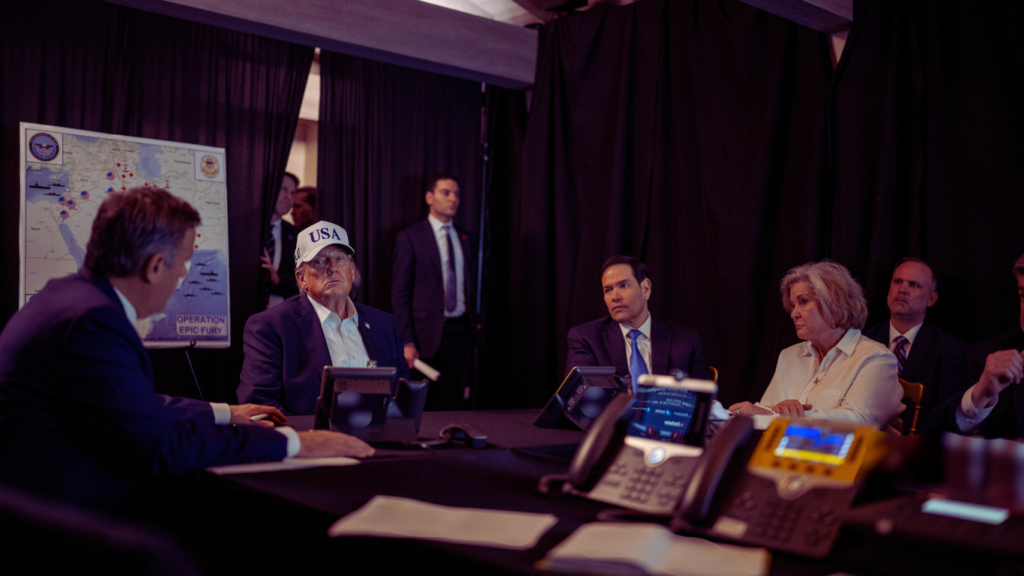
US Gas Prices
NATO Under Pressure
The crisis is also testing the cohesion of NATO.
Trump’s comments suggest:
- Doubts about mutual defense commitments
- Frustration over unequal military contributions
- A push toward redefining alliance expectations
This raises fundamental questions about NATO’s future role in non-European conflicts.
Deep Analysis: A Turning Point in Global Security?
1. Shift Toward Transactional Alliances
Trump’s rhetoric reinforces a more transactional approach to alliances:
- Support is conditional rather than guaranteed
- Allies are expected to contribute directly to U.S.-led operations
- Strategic partnerships may become more fluid and interest-based
2. أوروبا’s Strategic Autonomy Debate
The situation may accelerate Europe’s push for:
- Independent defense capabilities
- Reduced reliance on U.S. military power
- Greater coordination within the European Union
3. Energy Security Risks
With the Strait of Hormuz compromised:
- Europe faces increased dependence on alternative energy sources
- Global markets remain vulnerable to supply shocks
- Energy diversification becomes more urgent
4. احتمال التصعيد الإقليمي
Any prolonged disruption or escalation could:
- Draw in additional regional actors
- Threaten global trade routes
- Increase the likelihood of a broader الحرب (war)
What This Means Going Forward
- U.S.-Europe relations may enter a more uncertain phase
- NATO could face internal divisions over global engagements
- Energy markets will remain highly sensitive to developments in the Gulf
- Countries may increase defense spending and strategic independence
What did Donald Trump say about the UK and France?
Donald Trump warned that the United States may not defend allies like the UK and France if they refuse to support U.S. military operations against Iran.
Why are the UK and France not supporting the U.S.?
Both France and the United Kingdom view the Iran conflict as a voluntary war and are concerned about escalation and economic consequences.
Why is the Strait of Hormuz important?
The Strait of Hormuz is a critical global shipping route for oil and gas. Disruptions there impact global energy prices and supply chains.
What is NATO’s role in this conflict?
NATO has not formally engaged in the conflict, and internal disagreements among members have limited coordinated action.
Could this affect global energy prices?
Yes. Any disruption in the Strait of Hormuz can significantly increase oil and gas prices worldwide.
Is this a major shift in U.S. foreign policy?
It signals a potential move toward conditional alliances, where U.S. support depends on reciprocal actions by partner nations.
Conclusion
The escalating tensions between the United States and its European allies over the Iran conflict mark a potentially pivotal moment in global geopolitics. As Donald Trump pushes for greater allied participation, the reluctance of nations like France and the United Kingdom underscores a deepening divide in strategic priorities.
At the heart of the issue lies not just a regional conflict, but a broader redefinition of alliances, energy security, and global power dynamics. Whether this leads to a more fragmented international system or renewed cooperation will depend on how these tensions evolve in the coming weeks.