
Introduction
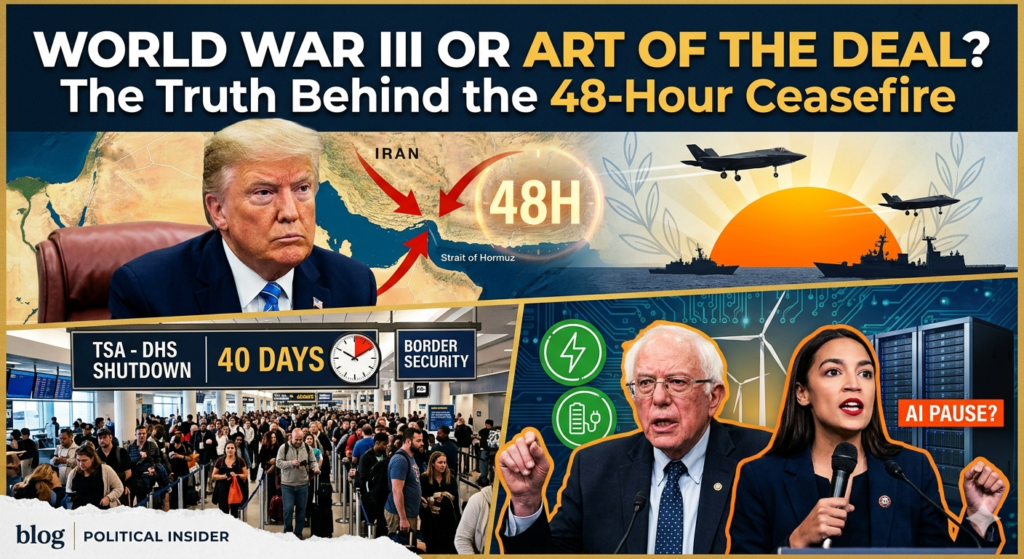
Tensions in the Middle East are escalating once again as ongoing Israeli military operations in Lebanon threaten to derail a fragile ceasefire tied to the broader conflict between the United States and Iran. Despite diplomatic efforts led by Donald Trump, the situation on the ground suggests a widening gap between political negotiations and military realities.
Political Trends USA Today
This crisis is rapidly evolving into a multi-front geopolitical confrontation involving Israel, Lebanon, Iran, and global powers.
Current Situation: No Ceasefire in Lebanon
Israeli Prime Minister Benjamin Netanyahu has made it clear:
There is no ceasefire in Lebanon.
Israeli forces continue targeting positions linked to Hezbollah, conducting airstrikes in and around Beirut and other المناطق. These attacks include large-scale operations that reportedly struck over 100 targets within minutes, causing hundreds of casualties.
Israel maintains that:
- Hezbollah is embedding military infrastructure in civilian areas
- Ongoing strikes are necessary for national security
- Military pressure will continue until threats are neutralized
Meanwhile, Lebanon insists that any negotiations must follow a full ceasefire, not occur during active conflict.
US-Led Diplomacy: Efforts to Prevent Escalation
The United States is actively trying to contain the crisis. According to officials:
- Talks between Israel and Lebanon are scheduled to take place in Washington
- The goal is to extend or stabilize the broader ceasefire framework
Donald Trump has reportedly:
- Urged Israel to scale back attacks
- Expressed optimism about a potential peace agreement with Iran
However, there is a visible contradiction:
- Diplomatic messaging promotes de-escalation
- Military actions on the ground suggest continued escalation
This disconnect is one of the most critical risks in the current crisis.
Iran’s Position and Strategic Signals
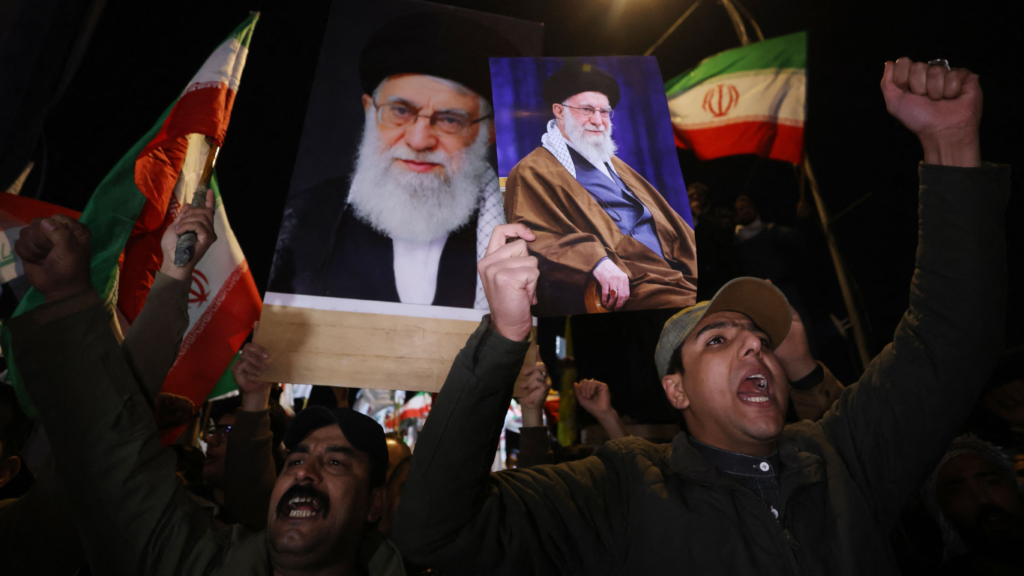
Iran remains a central player in this conflict. Its leadership has:
- Vowed revenge and compensation for war damages
- Suggested changes in control over the Strait of Hormuz, a vital global oil shipping route
This is particularly significant because:
- Roughly 20% of global oil supply passes through this strait
- Any disruption could trigger global economic consequences
Iran’s messaging indicates:
United States
- It is not seeking open war
- But it will not concede strategic or political demands
Rising International Criticism
Global reactions are increasingly critical of Israel’s actions.
UK Prime Minister Keir Starmer stated:
- Israeli strikes in Lebanon “should not be happening”
This signals:
- A potential split between the US and key allies
- Growing concern over humanitarian consequences
At the same time, Western governments remain cautious:
- Criticizing escalation
- Avoiding direct confrontation with US policy
Key Conflict Dynamics Explained
1. Israel vs Hezbollah
- Hezbollah is a powerful armed group in Lebanon backed by Iran
- Israel sees it as an existential security threat
- Strikes aim to weaken its military capabilities
2. US vs Iran
- The broader conflict revolves around nuclear policy, regional influence, and sanctions
- The current ceasefire is fragile and incomplete
3. Lebanon’s Position
- Lebanon is caught between:
- Internal instability
- External military pressure
- It seeks a ceasefire before engaging diplomatically
Why the Ceasefire Is Failing
The ceasefire is struggling due to three major issues:
❗ Ambiguity
There is no shared definition of what the ceasefire includes:
- Does it cover Lebanon?
- Or only direct US–Iran hostilities?
❗ Conflicting Goals
- Israel wants to weaken Hezbollah militarily
- Lebanon demands peace before talks
- The US wants negotiations to proceed regardless
Lack of Enforcement
- No unified mechanism to enforce compliance
- Violations are disputed and politically framed
Strategic Risks Going Forward
1. Regional Escalation
Continued strikes could trigger:
- Full-scale Israel–Hezbollah war
- Broader Iranian involvement
2. Economic Shock
Any disruption in the Strait of Hormuz could:
- Spike oil prices
- Impact global markets
3. Diplomatic Collapse
If negotiations fail:
- The current ceasefire could completely unravel
- A wider regional war becomes more likely
Expert Analysis
From a geopolitical perspective, this situation reflects a classic conflict between:
- Military momentum vs diplomatic timing
Israel appears to be:
- Leveraging military pressure before negotiations
The US is attempting to:
- Freeze the conflict long enough to secure a deal with Iran
Iran, meanwhile:
Conclusion
The Middle East stands at a critical crossroads. While diplomatic efforts continue, the reality on the ground tells a different story—one of ongoing violence, strategic posturing, and fragile trust.
Without a clearly defined and enforced ceasefire that includes all parties, the region risks:
- Renewed large-scale war
- Economic disruption
- Long-term instability
The coming days—especially upcoming negotiations—will be decisive in determining whether the situation stabilizes or spirals further out of control.
FAQ
What is the main cause of the current crisis?
The crisis stems from overlapping conflicts involving Israel, Hezbollah, Iran, and US-led diplomatic efforts, all tied to a fragile ceasefire agreement.
Is there currently a ceasefire?
There is no effective ceasefire in Lebanon, despite broader diplomatic claims related to Iran.
Why is the Strait of Hormuz important?
The Strait of Hormuz is a key global oil route. Any disruption could significantly affect global energy prices.
What role does the US play?
The US is acting as a mediator, trying to balance:
- Support for Israel
- Negotiations with Iran
- Regional stability
Could this turn into a larger war?
Yes. If escalation continues, the conflict could expand into a broader regional war involving multiple countries.