
A fragile diplomatic opening is emerging in one of the most dangerous global flashpoints in years—but it’s unfolding under the shadow of an ultimatum, ongoing airstrikes, and a chokehold on one of the world’s most vital energy routes.
United States
🌍 A War at the Edge of Escalation
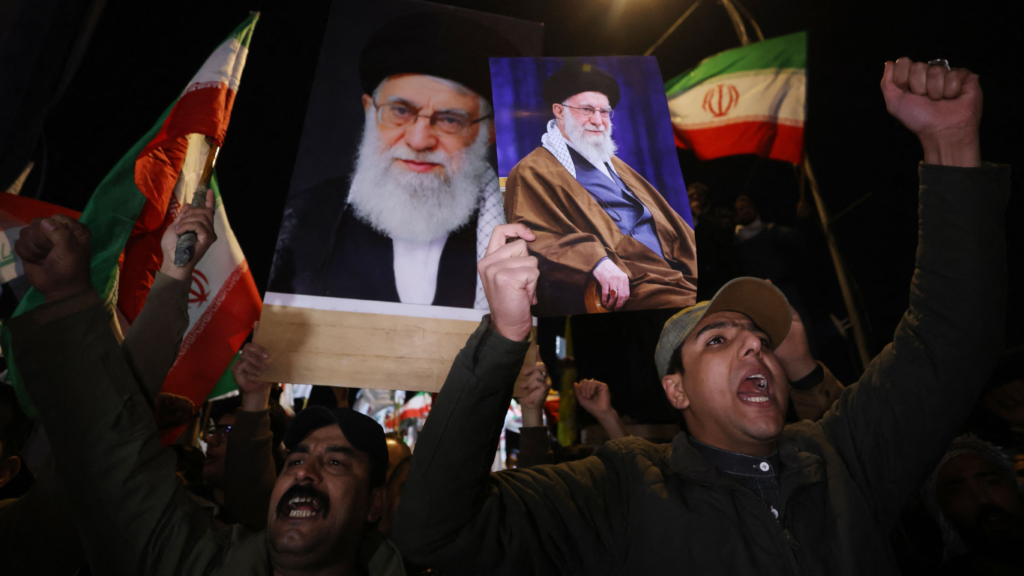
After more than five weeks of intense conflict, the United States and Iran are now weighing a ceasefire framework that could halt a rapidly widening regional war. But the situation remains volatile, with active military strikes, mounting casualties, and deep mistrust on both sides.
At the center of the crisis is the Strait of Hormuz—a narrow but critical maritime corridor through which roughly one-fifth of the world’s oil and gas flows. Iran effectively shut it down following U.S. and Israeli strikes earlier this year, instantly turning global energy markets into a battlefield.
⏳ The Ultimatum That Changed Everything
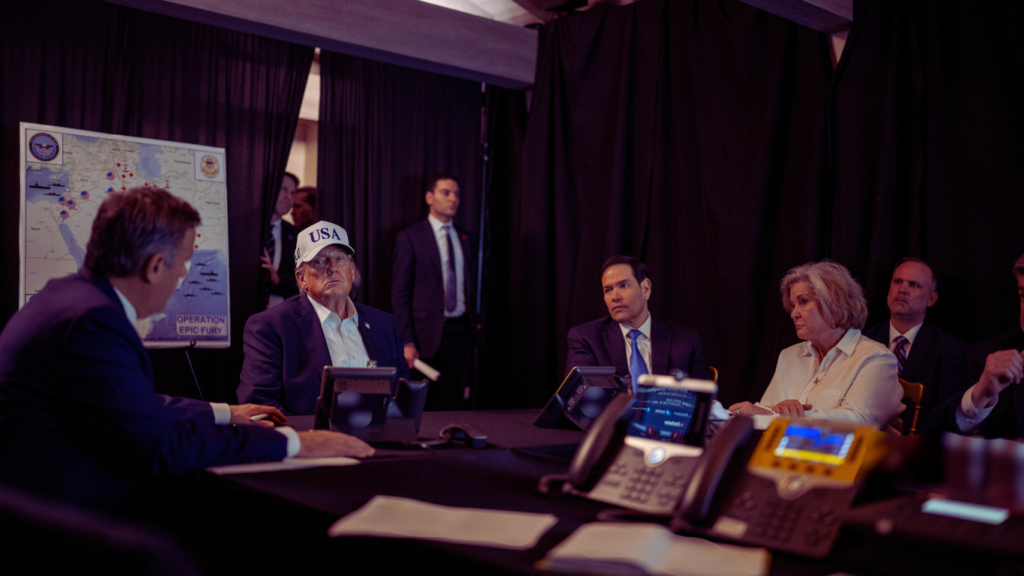
U.S. President Donald Trump has drawn a hard line:
- Deadline: Tuesday, 8:00 PM ET
- Demand: Iran must agree to a deal and reopen the Strait of Hormuz
- Threat: Failure will bring severe escalation—what he described as “hell”
This ultimatum has injected urgency into negotiations—but also hardened positions in Tehran.
🤝 A Ceasefire Plan Emerges (But It’s Fragile)
Behind the scenes, an intense diplomatic push—reportedly involving Pakistan—has produced a tentative roadmap:
- Immediate ceasefire
- Followed by full peace negotiations within 15–20 days
Key figures in these talks include:
- JD Vance
- Abbas Araqchi
However, the White House has made it clear:
👉 This is just one proposal among many, and no final approval has been given.
🛑 Iran Pushes Back
Iran has responded with firm resistance:
- Rejects reopening Hormuz as part of a temporary ceasefire
- Refuses to accept deadlines or coercion
- Claims the U.S. is not serious about a lasting peace deal
Iranian officials insist their demands reflect strength, not compromise, signaling that Tehran is willing to prolong the standoff if necessary.
💣 War Continues Despite Talks
Even as diplomats negotiate, the battlefield tells a different story:
- Airstrikes continue across Iran and neighboring regions
- Energy infrastructure—including gas and petrochemical facilities—has been targeted
- A strike damaged a major university data center, affecting technological systems
- Senior Iranian military figures have reportedly been killed
Meanwhile, Israel has escalated its rhetoric, vowing to:
- Destroy Iranian infrastructure
- Target leadership “one by one”
The human toll is severe:
- Thousands killed in Iran, including civilians
- Civilian casualties reported in Israel and Lebanon
- U.S. military personnel also among the dead and wounded
📉 Global Shockwaves
The conflict is not contained—it’s shaking the world:
- Oil prices surged due to supply fears
- Markets are reacting sharply to any sign of escalation or de-escalation
- Gulf nations are on high alert as attacks spill across borders
A reopening of Hormuz could quickly stabilize markets.
A failure? It could trigger a global economic ripple effect.
US Gas Prices
⚖️ What Happens Next?
Everything hinges on a few critical questions:
- Will Iran reopen the Strait of Hormuz?
- Will the U.S. accept a longer, more complex negotiation path?
- Or will the deadline trigger a new phase of escalation?
Right now, the situation is balanced between diplomacy and disaster.
🧠 Conclusion
This is not just a regional conflict—it’s a global pressure point where military power, economic stability, and political strategy collide.
A ceasefire could arrive within days—but it may only be temporary.
If negotiations fail, the world could be looking at a broader, more destructive conflict with global consequences.
The next moves—from Washington and Tehran—will determine whether this moment becomes a turning point… or the start of something far worse.
❓ FAQ
1. Why is the Strait of Hormuz so important?
It’s one of the world’s most critical النفط shipping routes. About 20% of global oil supply passes through it—so any disruption affects prices worldwide.
2. Why did Iran close it?
Iran used it as leverage after being attacked, aiming to:
- Pressure global markets
- Gain bargaining power in negotiations
3. Is a ceasefire likely?
Possible, but uncertain. Talks are ongoing, but:
- The U.S. wants quick action
- Iran wants a long-term, binding agreement
4. What happens if the deadline passes?
If no deal is reached, Donald Trump has threatened major escalation, which could mean:
- Expanded strikes
- Broader regional conflict
kamala harris tour
5. How does this affect everyday people globally?
- Higher fuel and energy prices
- Market volatility
- Potential economic slowdown if conflict worsens
6. Is this turning into a wider war?
It’s a real risk. With:
- Israel involved
- Spillover into Lebanon and Gulf states
- Attacks on infrastructure
…the conflict could expand beyond U.S.–Iran tensions.