
Introduction
The administration of U.S. President Donald Trump has sparked intense debate after launching an unusual social-media campaign to promote the ongoing conflict with Iran.
Instead of traditional wartime briefings and policy speeches, the White House has embraced internet culture — producing high-energy videos filled with memes, video-game graphics, and clips from popular films.
The campaign, which includes references to the video game Call of Duty and the cartoon character SpongeBob SquarePants, has gained tens of millions of views across platforms like X, TikTok, and Instagram. Supporters say it modernizes government communication, while critics argue it trivializes a deadly war.
Viral Videos Promote “Operation Epic Fury”
The White House social-media push centers on the U.S. military campaign known as Operation Epic Fury, which began after joint U.S.-Israeli strikes on Iranian targets in late February.
Hollywood War
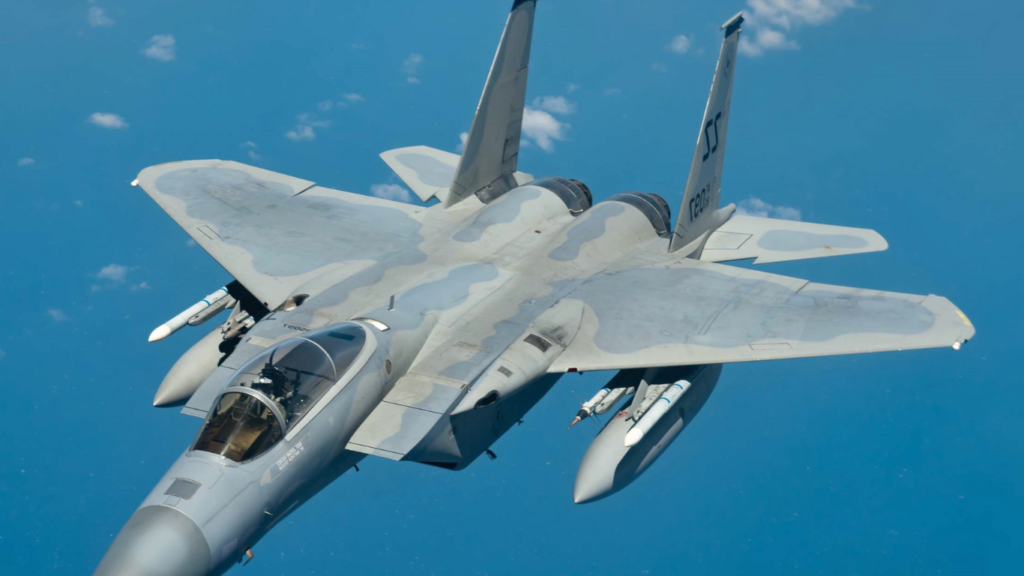
One widely shared video begins with a sequence resembling gameplay from Call of Duty. The clip then cuts to real combat footage showing fighter jets launching from aircraft carriers, missiles streaking toward targets, and explosions lighting up the night sky.
A video-game style “kill score” graphic appears after each strike, reinforcing the gaming theme. The footage is set to the song “Bonfire” by Childish Gambino, with a narrator declaring: “We’re winning this fight.”
The video has been viewed more than 58 million times, illustrating the reach of the administration’s digital strategy.
Pop Culture Meets Modern Warfare
Several videos released by the White House blend military footage with pop-culture references to attract younger audiences.
Examples include:
A 14-second video featuring SpongeBob SquarePants repeating the phrase “Wanna see me do it again?” while explosions flash between the lines.
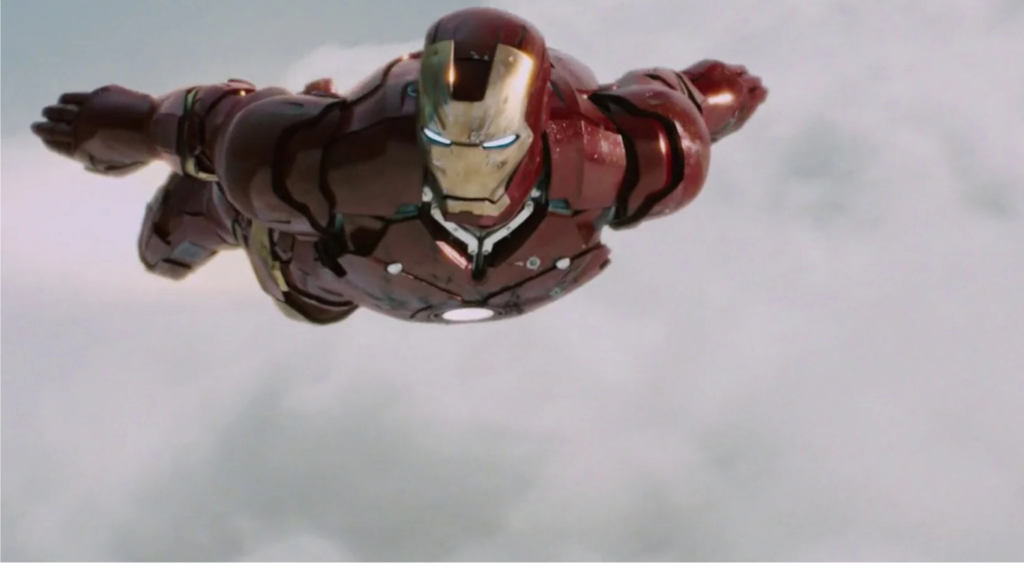
A compilation mixing scenes from action films such as Top Gun, Braveheart, Gladiator, and Iron Man with footage of missile strikes.
A viral meme clip featuring an animated lizard character from the 2025 Pixar film Elio, tapping a glowing screen — each tap triggering a missile launch.
One TikTok video labeled “Operation Epic Fury” has already surpassed 18 million views, though analysts say some aircraft clips appear to be older stock footage rather than footage from the current war.
United States
Critics Warn of the “Gamification” of War
Communication experts and former government officials have criticized the campaign, describing it as the “gamification” of warfare.
James Glassman, who served in the administration of George W. Bush as undersecretary of state for public diplomacy, said wartime messaging should focus on explaining why a conflict is happening, rather than portraying the destruction in an entertaining way.
He argued that governments should prioritize communicating with both domestic audiences and citizens of the targeted country about the strategic reasons behind military action.
Meanwhile, U.S. military leaders have maintained a far more solemn tone.
Dan Caine recently acknowledged the deaths of several American service members in the conflict and expressed condolences to their families, emphasizing the real human cost of the war.
Why the Strategy Targets Young Audiences
Experts say the meme-driven campaign appears designed to appeal particularly to younger male audiences, a group highly engaged with gaming culture and online memes.
Analysts note that this demographic also played a significant role in Trump’s electoral coalition during the 2024 election cycle.
Matthew Baum, a professor of global communications at the Harvard Kennedy School, said meme-based messaging is consistent with the administration’s broader digital communication strategy.
However, he also noted a potential challenge: many of Trump’s supporters previously backed an “America First” policy emphasizing limited foreign military involvement, making public opinion on the Iran conflict more complicated.

ISrael
The Rise of Social Media Warfare
The White House campaign reflects a broader shift in how governments communicate during conflicts.
In earlier wars, administrations relied heavily on press conferences, official briefings, and televised speeches. Today, social media platforms allow governments to reach millions instantly with short, visually engaging content.
This new form of digital messaging can shape public perception quickly — but it also raises ethical questions about whether war should be presented in the style of entertainment or gaming.
As the conflict between the United States and Iran continues, the battle for public opinion online may become almost as important as the fighting on the ground.
Conclusion
The Trump administration’s meme-driven campaign promoting Operation Epic Fury represents a dramatic shift in wartime communication. By combining viral internet culture, video-game aesthetics, and cinematic military footage, the White House has created a social-media strategy designed for the digital generation.
While the approach has generated massive engagement online, it has also sparked criticism from communication experts and former officials who believe it risks trivializing the devastating realities of war.
As global conflicts increasingly intersect with social media, the debate over how governments should communicate military actions is likely to intensify.
FAQ
Why is the US using memes in the Iran war communication?
The Trump administration has used meme-style videos and pop-culture references to reach younger audiences on social media platforms such as X, TikTok, and Instagram.
What is Operation Epic Fury?
Operation Epic Fury is the name used for the U.S. military campaign targeting Iranian facilities and military infrastructure that began in February 2026.
Why are critics concerned about the campaign?
Critics argue that the meme-driven videos “gamify” warfare, making real military operations appear similar to video games and potentially trivializing casualties and destruction.
How successful has the campaign been online?
Several White House videos promoting the war have received millions of views, with one clip surpassing 58 million views across social media platforms.